Skyline Sketch: A Decorative Font with Architectural Character
Typography often serves as the quiet foundation of visual communication, but every now and then a typeface steps forward with something to say. Skyline Sketch, created by designer Jeff Bensch, is one of those faces. It does not whisper. It sketches a line between playful and purposeful, between hand-drawn warmth and structural clarity. For designers, marketers, and content creators evaluating display typefaces, understanding what makes Skyline Sketch distinct—and where it fits best—can save time, improve visual outcomes, and prevent mismatched pairings.
This article explores the font’s defining traits, compares it with other decorative styles, examines its practical strengths and tradeoffs, and offers guidance on when Skyline Sketch aligns with your project goals—and when another choice might serve you better.
What Is Skyline Sketch?
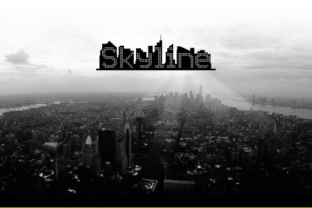
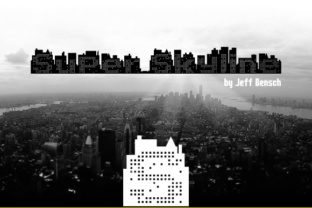
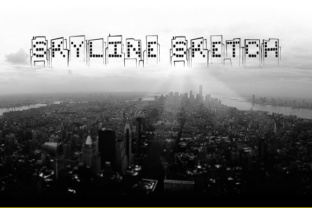
Skyline Sketch is a decorative display font that mimics the look of architectural hand lettering or sketched signage. Jeff Bensch designed it to evoke the feel of a city skyline drawn with a fine marker or pen, with uneven strokes, slight irregularities, and an organic rhythm that digital fonts often lack. The letterforms feel loose but deliberate, as if someone captured them quickly on tracing paper during a design review.
The typeface falls into the broader category of sketched or hand-drawn fonts, but it sets itself apart with a specific urban, structural sensibility. It is not a casual brush script or a messy scrawl. Instead, it carries the imprint of architectural drafting—clean lines, angled strokes, and a sense of built form. This makes it particularly suited for projects that blend creativity with structure, such as branding for creative agencies, event posters, editorial headers, or packaging that wants to feel both crafted and contemporary.
What distinguishes Skyline Sketch from many decorative fonts is its restraint. The sketch effect is present but not overwhelming. Letters remain legible at moderate sizes, and the irregularity does not sacrifice readability. That balance is harder to find than many expect.
How Skyline Sketch Compares with Other Decorative Type Styles
When evaluating decorative fonts, the choice often comes down to mood, context, and technical requirements. Skyline Sketch occupies a specific niche that overlaps with several type categories, but it does not fit neatly into any single box. Understanding these comparisons helps clarify when to choose it and when to look elsewhere.
Hand-Drawn Fonts
Many hand-drawn typefaces aim for spontaneity or whimsy. They lean into roughness, uneven baselines, and extreme variation. Skyline Sketch is more controlled. Its lines feel drawn by someone with a steady hand and a clear intention. If you need a font that communicates raw energy or childish playfulness, a looser hand-drawn option may work better. But if you want the hand-drawn quality without sacrificing a sense of professional polish, Skyline Sketch holds its own.
Sans-Serif Display Fonts
Standard sans-serif display fonts offer cleanliness and uniformity. They are safe, predictable, and highly legible. Skyline Sketch trades some of that uniformity for character. It introduces texture and movement that a clean sans-serif cannot replicate. However, for long body text or dense layouts, a sans-serif remains the more practical choice. Skyline Sketch works best as a headline or accent face, not as a workhorse text font.
Architectural and Stencil Fonts
Some typefaces explicitly reference blueprints, stencils, or industrial drafting. These often feel rigid or technical. Skyline Sketch shares the architectural reference point but keeps a lighter, more approachable tone. It feels less like a blueprint and more like a sketch on a napkin during a creative brainstorm. If your project requires a strictly technical or industrial look, a stencil or blueprint font may be a better match. But if you want to reference structure without feeling cold, Skyline Sketch offers a warm middle ground.
Script Fonts
Script fonts rely on connected letterforms and flowing curves. Skyline Sketch is disconnected and angular. It does not pretend to be handwriting in the traditional sense. It is closer to hand-lettering or signage. This distinction matters when choosing a font for logos or headlines where personality matters more than elegance. Scripts can feel formal or romantic; Skyline Sketch feels urban and contemporary.
Strengths and Best-Fit Use Cases
Every typeface has contexts where it shines. Skyline Sketch is not a universal tool, but in the right hands, it elevates projects that need a distinctive voice.
Branding for Creative and Urban-Focused Businesses
Coffee shops, design studios, architecture firms, record labels, and independent bookstores often benefit from a typeface that feels handcrafted but not sloppy. Skyline Sketch suggests authenticity and creativity. It tells the audience that someone put thought into the details. Pair it with a clean sans-serif for body copy, and the contrast feels intentional rather than chaotic.
Editorial and Poster Design
Magazine headers, event posters, and editorial spreads frequently use display type to grab attention. Skyline Sketch works well at larger sizes where its irregular strokes become visual texture rather than noise. It pairs naturally with geometric or neutral secondary fonts. For a music festival poster or a gallery opening announcement, it signals that the event has personality without being overly trendy.
Packaging and Product Labels
Artisanal products, limited editions, and creative goods often rely on packaging that feels personal. A font like Skyline Sketch can suggest small-batch care or handcrafted quality. It works on labels for craft beverages, specialty foods, or handmade goods. The key is to use it sparingly—perhaps for the product name or a featured tagline—so it remains a focal point rather than a distraction.
Digital Headlines and Social Graphics
On screens, Skyline Sketch retains its sketched texture without becoming unreadable. It works well for YouTube thumbnails, Instagram quote cards, or website hero sections where a bold, hand-drawn look supports the message. Just be mindful of size: at very small sizes, the sketch effect can blur or lose definition, especially on lower-resolution displays.
Tradeoffs and Limitations to Consider
No typeface is perfect for every situation. Skyline Sketch has tradeoffs that matter depending on your project’s requirements.
Legibility at Small Sizes
Because Skyline Sketch simulates hand-drawn lines, its stroke widths vary. In small point sizes—below 18 or 20 points—those variations can make letters harder to read, especially for longer words or dense text. If your design requires captions, footnotes, or body copy, choose a simpler companion font. Skyline Sketch is best reserved for display purposes where it can breathe.
Formality and Tone
This font leans casual and creative. It will feel out of place in formal documents, corporate reports, legal communications, or conservative branding. If your audience expects tradition, stability, or seriousness, a classic serif or neutral sans-serif will communicate more effectively. Skyline Sketch signals innovation and approachability, not formality.
Pairing Complexity
Decorative fonts often require more thought when pairing with other typefaces. Skyline Sketch has a strong personality, so it does not blend quietly into a layout. Pair it with a neutral, clean font that does not compete. Sans-serif families like Open Sans, Lato, or Montserrat can work, but test combinations carefully. The wrong pairing can make a layout feel disjointed rather than curated.
File and Format Considerations
Like many decorative fonts, Skyline Sketch may have limited language support or missing glyphs compared to more comprehensive type families. If your project requires extensive multilingual content, symbols, or special characters, verify coverage before committing. Some decorative fonts also lack bold or italic variants, which can limit flexibility in complex layouts.
When Skyline Sketch Is the Right Choice
Choosing Skyline Sketch makes sense when your project prioritizes personality, creative authenticity, and a handmade feel. It is especially effective when:
- Your brand or message involves design, art, architecture, urban culture, or independent creativity.
- You need a headline or focal point that stands out without relying on loud colors or effects.
- Your audience values craftsmanship and individuality over uniformity.
- You can pair it with a simple, legible secondary font that supports readability.
- You have control over the size and context where the font appears, avoiding very small text or dense paragraphs.
When You May Need Another Option
There are also clear situations where Skyline Sketch may not serve your goals. Consider an alternative if:
- Your project requires extensive body text or small print where legibility is critical.
- The tone must be formal, traditional, or highly professional in a conservative sense.
- You need full language support, multiple weights, or a complete type family with italics and small caps.
- Your design already includes multiple textured or decorative elements, and adding another could overwhelm the layout.
- You are designing for a medium where fine line details may be lost, such as low-resolution screens or very small print formats.
Practical Tips for Using Skyline Sketch Effectively
Once you decide Skyline Sketch fits your project, a few practical considerations help you get the most from it.
- Test at intended size early. What looks good at 72 points may lose charm at 24 points. Preview your layout at the actual display size before finalizing.
- Use ample spacing. Letter spacing and line height matter more with decorative fonts. Give the letters room to breathe so the sketch effect reads clearly.
- Avoid heavy effects. Adding drop shadows, outlines, or heavy textures on top of an already textured font can create visual clutter. Let Skyline Sketch stand on its own.
- Pair with a clean counterpart. Choose a secondary font that is neutral, geometric, and unobtrusive. The contrast between sketched and clean creates visual interest without competition.
- Consider the medium. Print and high-resolution screens handle the sketch effect better than low-resolution digital displays. Test on the actual output medium to confirm legibility.
Making an Informed Decision
Skyline Sketch by Jeff Bensch occupies a thoughtful place in the decorative type landscape. It brings architectural character and hand-drawn warmth without sacrificing legibility or professionalism. For designers who need a typeface that feels creative but controlled, it offers a reliable option that stands out without shouting.
Like any design tool, its value depends on context. Evaluate your project’s tone, audience, size requirements, and pairing possibilities before committing. When the conditions align, Skyline Sketch can turn a simple headline into a memorable visual statement. When they do not, a different choice will serve your message better. The key is understanding the tradeoffs, and this typeface rewards that understanding with consistent, character-rich results.