Tentacles: Elevate Design with a Fun Decorative Font
In a world saturated with sleek, minimalist sans-serifs and predictable typefaces, the most powerful tool a designer can wield is the element of surprise. Typography is the voice of a brand, and sometimes that voice needs to be playful, whimsical, or truly unforgettable. Enter Tentacles, a wonderfully fun decorative font created by Jeff Bensch that injects personality and kinetic energy into any visual design project. It serves as a bold reminder that graphic design doesn’t always have to follow strict rules to be deeply effective.
A Playful Break from Typographic Convention
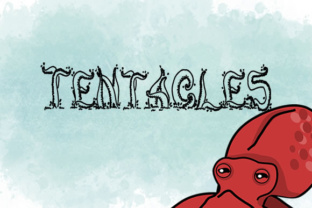
Tentacles is not just a font; it is a statement of intent. With its wavy, interconnected letterforms, it breaks away from rigid grid structures, offering a hand-drawn, organic feel that resonates deeply with modern aesthetics. For designers actively curating creative assets that demand attention, this typeface provides an instant source of character. It moves beyond simple readability to evoke emotion and curiosity, making it a prime candidate for projects where brand identity needs a shot of raw, unpolished energy. Jeff Bensch has crafted a typeface that feels both nostalgic and refreshingly new, perfectly suited to the current design trends favoring authenticity and handmade details.
Strengthening Brand Identity with Whimsy
When building a cohesive brand identity, consistency is critical, but distinctiveness is what makes a brand memorable. Tentacles works beautifully as an accent typeface or a primary logo font for businesses operating in creative industries, children’s entertainment, organic food markets, or quirky retail spaces. Its uneven baseline and fluid strokes help establish a visual hierarchy that guides the eye playfully. By pairing it with a solid, neutral serif or sans-serif font, you create a dynamic tension that feels both professional and approachable. This contrast is a cornerstone of effective visual design, allowing the decorative elements to shine without sacrificing the overall structure of the layout.
Practical Applications in Modern Design
The versatility of Tentacles makes it a valuable asset across a wide range of mediums, from digital marketing to print design. Its ability to adapt its personality based on context allows creatives to step outside the bounds of traditional typography. Here are a few high-impact scenarios where this font excels:
- Digital Marketing & Social Media Graphics: In the fast-paced world of digital marketing, stopping the scroll is half the battle. Social media graphics featuring Tentacles immediately signal “fun” and “different.” Its bouncy rhythm works exceptionally well for short, impactful headlines in Instagram stories, promotional banners, or email headers, significantly boosting user engagement.
- Editorial and Packaging Design: Editorial design often relies on strict grids, but breaking free in specific areas highlights key quotes or chapter titles. In packaging design, Tentacles can transform a standard product into a gift—the tactile, whimsical nature of the lettering implies a playful or handcrafted interior, directly influencing consumer perception.
- Web and UI/UX Design: While primarily a display font, Tentacles can be used sparingly in UI design for call-to-action buttons, hero section headers, or loading screen animations. It adds a crucial human touch to the digital experience, creating a memorable visual moment amidst the functional UI elements.
- Merchandise and Print Collateral: From t-shirt designs to posters and flyers, this font carries a strong visual presence. Its high contrast against simple backgrounds makes it perfect for apparel and merchandise where bold statements are required.
Tips for Pairing and Implementing Tentacles
Using a distinctive font like Tentacles requires strategic thinking to maintain a professional presentation. First, consider readability and scalability. Decorative fonts shine when used large, so avoid using them for long body text or small print where details might get lost. Second, evaluate your color palette and composition. Because the font has complex shapes, it pairs best with a restrained color scheme. A simple black-and-white or two-tone approach often yields the most polished result, allowing the intricate letterforms to remain the focal point without visual clutter.
Finally, always align your type choice with audience expectations and design goals. A tech startup might find Tentacles too whimsical for a core brand identity, whereas a children’s book publisher or a creative agency will find it perfectly aligned with their need for expressive design inspiration. In every case, thoughtful integration into your design workflow will ensure that the font enhances rather than distracts from the message.
Ultimately, the typography we choose communicates before a single word is read. In a cluttered visual landscape, smart design choices are the difference between blending in and being remembered. Creatives like Jeff Bensch remind us that quality creative assets serve not just to decorate, but to amplify a message. Tentacles is a powerful example of how a single typeface can transform a layout, strengthen a brand identity, and create a genuine connection with an audience. By embracing such tools wisely, designers can elevate their work from simply functional to truly delightful.