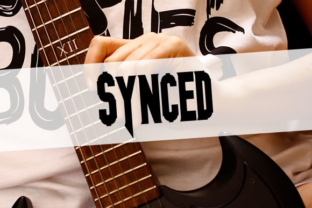
Synced: A Decorative Font That Bridges Rhythm and Design
Typography is often the quietest part of a design, yet it carries the loudest message. In a world saturated with visual content, the choice of typeface can determine whether a brand feels memorable or forgettable. Enter Synced, a decorative font created by Jeff Bensch that brings a distinct rhythmic quality to letterforms. Unlike generic sans-serifs or overused scripts, Synced offers designers, entrepreneurs, and content creators a way to infuse personality without sacrificing readability. This article explores why Synced matters, how decorative fonts have evolved, and what practical value this typeface brings to modern workflows.
The Relevance of a Purposeful Decorative Font
Decorative fonts often get dismissed as impractical or overly niche. Yet the landscape of branding and digital communication has shifted. Audiences are more visually literate than ever, and they respond to authenticity and character. Synced is not just another ornamental typeface—it is a carefully constructed set of characters designed to evoke movement and alignment. Jeff Bensch built this font with an eye for balance, giving each letter a sense of syncopation that feels both playful and deliberate. For professionals who need to stand out in a crowded market, Synced provides a tool that communicates intention. It works equally well on a poster, a website hero section, or a product label, precisely because it does not try to blend in.
How Typography Trends Have Evolved Toward Character
For years, the design world leaned heavily on minimalism and neutrality. Fonts like Helvetica and Arial dominated because they felt safe. But as brands multiplied and digital noise grew, the need for differentiation became urgent. Independent type designers like Jeff Bensch began filling a gap that major foundries overlooked. Decorative fonts transitioned from being seen as frivolous to becoming strategic assets. Synced reflects this evolution. Its decorative nature is not an afterthought but a core feature that respects legibility while embracing expression. Today, a font must do more than convey words—it must convey mood, timing, and identity. Synced answers that demand with a confident, rhythmic structure that feels contemporary without chasing short-lived fads.
From Ornament to Strategy
The shift from using decorative type only for special occasions to integrating it into everyday branding mirrors broader changes in how audiences consume information. People scroll quickly, and they make snap judgments. A font like Synced can slow that scroll or stop a finger mid-swipe. Its decorative quality invites closer inspection. For creators, this means thinking of typefaces not as background elements but as active contributors to the user experience. Jeff Bensch understood this when designing Synced—the font does not merely look attractive; it creates a rhythm that guides the eye. That is the difference between decoration for its own sake and decoration as a deliberate design choice.
Changing Needs in Branding and Visual Identity
Modern branding requires flexibility. A logo might appear on a website, a business card, a social media graphic, and a merchandise tag all in the same week. The typeface must adapt without losing its personality. Synced handles this well because its decorative qualities are embedded in the letterforms themselves rather than in superficial flourishes. Whether scaled up for a headline or used smaller in a secondary position, the font maintains its syncopated character. For business owners and marketers, this consistency is invaluable. A font that works across contexts reduces the need for multiple typefaces and simplifies the design system. Synced can serve as a primary display face while pairing with simpler fonts for body text, creating a hierarchy that feels intentional rather than chaotic.
Practical Implications for Different Roles
- For graphic designers: Synced provides a distinctive option for projects that require a human touch without falling into cliché. Its geometric roots keep it modern, while its decorative edges add warmth.
- For entrepreneurs and small business owners: Using a unique font like Synced can help a brand feel established and thoughtful, even with a limited budget. It signals that attention was paid to details.
- For content creators and educators: Whether designing a course thumbnail or a presentation title, Synced adds visual interest that holds attention. It makes information feel less sterile and more inviting.
- For marketers and bloggers: Headlines set the tone for the entire piece. Synced can differentiate a blog post or ad from competitors who rely on default system fonts.
Practical Applications for Creators and Professionals
Knowing when and how to use a decorative font is just as important as choosing the right one. Synced shines in specific contexts where its rhythmic quality can be appreciated. Event posters, album artwork, social media highlights, and packaging all benefit from a typeface that carries visual momentum. But Synced is also versatile enough for digital interfaces when used sparingly. A call-to-action button set in Synced can feel more engaging than the same button in a standard bold font. The key is balance—pairing Synced with a neutral companion font like a clean sans-serif or a subtle serif ensures readability while preserving the decorative impact.
Jeff Bensch designed Synced with real use cases in mind. The letter spacing and proportions allow for comfortable reading in short bursts, which is exactly what most display applications require. For designers working on rebranding projects, Synced offers a fresh alternative to overused display fonts. It brings a sense of motion that aligns with modern brand values like agility, creativity, and connection. Recommendations for anyone considering Synced include testing it at different sizes, experimenting with color and contrast, and using it to anchor headlines rather than full paragraphs. That approach respects the font's decorative nature while maximizing its effectiveness.
Observations on the Craft Behind Synced
Jeff Bensch has contributed to the type design community with a font that feels both researched and intuitive. The craft behind Synced is evident in the way characters relate to one another—each letter seems aware of the next. This is not accidental. Bensch paid attention to rhythm and spacing, ensuring that the decorative elements enhance rather than hinder readability. For fellow designers and type enthusiasts, studying Synced offers insights into how decorative fonts can remain functional. The font manages to be playful without being childish, structured without being rigid. That balance is difficult to achieve, and it is what makes Synced a worthwhile addition to any serious font library.
Grounded Recommendations for Making the Most of Synced
- Use it for emphasis. Reserve Synced for headlines, logos, or short messages where its character can take center stage.
- Pair it thoughtfully. Combine Synced with a simple, neutral font for body text to avoid visual overload.
- Test in context. Preview Synced in the actual medium where it will appear—digital screens, print, or packaging—to ensure its decorative details read well.
- Consider your audience. Decorative fonts resonate best with audiences who value creativity and individuality. If your brand targets a conservative field, use Synced as an accent rather than a primary voice.
- Respect the craft. Jeff Bensch created Synced with intention. Using it thoughtfully honors that work and produces better design outcomes.
Typography decisions are ultimately about communication. Synced helps communicate that a brand, project, or message has rhythm and purpose. It is a decorative font that earns its place through design, not just decoration. For anyone looking to refresh their visual identity or add depth to their creative toolkit, exploring what Synced offers is a practical step forward.