Super Skyline: Why This Unique Font Deserves a Place in Your Strategic Toolkit
When you first encounter Super Skyline, it stands out. Designed by Jeff Bensch, this typeface carries a distinct geometric, almost futuristic personality that immediately sets it apart from more neutral or traditional fonts. But beyond its visual appeal, the real question for any entrepreneur, marketer, or creator is whether it serves a strategic purpose. A font is never just a font. It communicates tone, signals intent, and shapes how your audience perceives your work. Used thoughtfully, Super Skyline can become a deliberate tool for positioning, differentiation, and long-term brand resonance. Used without context, it risks confusing or alienating the very people you aim to reach.
This article walks through the strategic decisions surrounding Super Skyline — when to use it, how to integrate it into your planning, and what to consider before committing to it as part of your visual identity. Whether you are a small business owner rethinking your brand, a freelancer refining your portfolio, or a marketer exploring fresh design directions, the goal here is to help you make an informed, goal-aligned choice.
Understanding Super Skyline and Its Distinctive Character
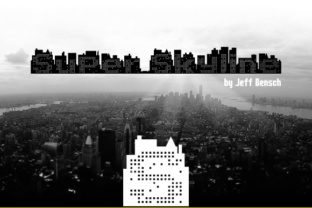
Super Skyline is a display typeface with strong horizontal and vertical lines, sharp angles, and a condensed structure. It evokes a sense of architecture, speed, and modernity. Jeff Bensch designed it with precision, and the result is a font that feels both bold and structured. Unlike versatile text fonts meant for long reading, Super Skyline is best used in larger sizes — headlines, logos, signage, or hero sections where its unique shapes can breathe.
Strategically, this means Super Skyline works as a signature element. It is not a workhorse for paragraphs; it is a statement for moments that demand attention. Recognizing this distinction is the first step in planning its use. When you treat it as a deliberate accent rather than a default choice, you preserve its impact and avoid visual fatigue.
Aligning Font Choices with Your Communication Goals
Every font choice either supports or undermines your communication objectives. Before you decide to use Super Skyline, ask yourself what you want your audience to feel and understand. Are you aiming for a sense of innovation and forward-thinking? Do you want to convey strength, clarity, and a modern edge? Super Skyline naturally leans into these associations. Its rigid geometry suggests order and efficiency, while its distinctive curves prevent it from feeling cold or impersonal.
For example, a tech startup developing a productivity tool could use Super Skyline in its logo and landing page headline to communicate speed and precision. A creative agency specializing in branding might use it sparingly in client presentations to signal that they think beyond the conventional. In both cases, the font becomes part of the message — not decoration, but a deliberate strategic asset.
When Super Skyline Supports Your Messaging
Consider using Super Skyline when your content or brand is built around:
- Innovation and technology – Its architectural feel aligns with industries like software, engineering, or aerospace.
- Minimalist or modern aesthetics – If your design language leans toward clean lines and negative space, this font complements it without overwhelming.
- Headline dominance – In contexts where you want a single phrase to carry visual weight — conference titles, product names, taglines.
- Limited but repeated exposure – Super Skyline works well when used consistently in small doses across a brand touchpoint, such as in video titles or section headers.
These scenarios align with the font's natural strengths and keep its unique character working for you, not against you.
When to Approach with Caution
Not every project benefits from a font as assertive as Super Skyline. If your goal is to communicate warmth, approachability, or tradition, a softer or more rounded typeface may serve you better. Similarly, avoid using it for body text, lengthy descriptions, or any content that requires sustained reading. The condensed letterforms can strain the eyes at small sizes, reducing comprehension and user experience.
Also consider your audience's familiarity. A highly distinctive font like Super Skyline can feel out of place in conservative industries such as law, finance, or healthcare, unless you deliberately aim to disrupt expectations. Strategic use means knowing when to let the font lead and when to step back.
Practical Planning: Integrating Super Skyline Into Your Brand System
Once you decide that Super Skyline fits your strategic direction, the next step is integration. A font used in isolation rarely creates a cohesive brand. You need a system that defines where and how Super Skyline appears alongside other typefaces, colors, and imagery.
- Define its role – Will it be your primary display font, a secondary accent, or reserved for special campaigns? Write down the specific use cases: logo, main headlines, pull quotes, or social media graphics.
- Pair it thoughtfully – Super Skyline pairs well with clean sans‑serifs (like Open Sans or Inter) for subheadings and body copy. The contrast between a geometric display font and a neutral text font creates hierarchy without competition.
- Establish size and spacing rules – Because of its condensed nature, Super Skyline often needs generous letter‑spacing (tracking) to remain legible. Set minimum sizes for headlines and ensure sufficient whitespace around it.
- Test across media – Print, digital, and environmental applications may render differently. Check that Super Skyline retains its clarity on screen, in small formats, and when scaled up for banners or signage.
Planning these details reduces the risk of inconsistency. A deliberate system ensures that Super Skyline strengthens your brand rather than creating visual noise.
Long‑Term Considerations and Consistency
Branding is not a one‑time decision. As your business evolves, your visual identity must remain recognizable while adapting to new contexts. If you commit to Super Skyline as a core element, consider how it will age. Fonts with strong stylistic features can become dated or overused with time. However, Super Skyline has a timeless, architectural quality that may hold up well if used sparingly and thoughtfully.
One way to ensure longevity is to use it as a brand accent rather than the sole typeface. For example, a startup might feature Super Skyline in its logo and tagline but rely on a neutral secondary font for all other communications. This approach allows the brand to refresh its secondary font or imagery without losing the distinctive touch that Super Skyline provides.
Consistency also matters in customer experience. If a visitor sees Super Skyline on your website but a completely different style on your social media profiles, the brand feels disjointed. Document your font usage in a simple brand guideline — even a one‑page reference — and share it with anyone producing content for your organization.
Decision‑Making Framework for Using Super Skyline
To move from inspiration to intentional action, apply a simple decision framework before adopting Super Skyline for any project:
- Purpose – What specific outcome does this font help achieve? (e.g., differentiate from competitors, convey speed, attract a younger audience)
- Audience – Will your target audience recognize and appreciate the design choice, or might it feel out of place?
- Context – Where will the font appear most? Does the environment support its legibility and impact?
- Integration – Does it work with your existing visual elements, or does it require a redesign of other components?
- Risk – What is the worst‑case scenario if the font feels wrong? Can you easily pivot or replace it?
Answering these questions honestly prevents the common mistake of choosing a font simply because it looks "cool." Super Skyline is a tool, and like any tool, its value depends on the skill and intention of the person wielding it.
Risks of Using Super Skyline Without Clear Intent
The most significant risk is visual noise. A font as strong as Super Skyline can overwhelm other design elements if not balanced properly. It may also create unintended associations: for some audiences, extreme geometric typefaces feel cold or impersonal. If your brand relies on emotional connection, this could work against you.
Another risk is inconsistency. Without clear guidelines, team members or partners may use the font in places where it fails — small text, long paragraphs, or low‑resolution screens. This erodes trust and professionalism. Finally, overuse diminishes distinction. If every headline, subhead, and caption uses Super Skyline, the font loses its power. It becomes background noise instead of a deliberate signal.
Mitigate these risks by limiting its application, testing with real users, and gathering feedback before committing fully. Strategic use means making choices that serve your long‑term goals, not just short‑term aesthetics.
Final Strategic Observations
Super Skyline is more than a visually striking typeface. It is a design decision that carries implications for your brand's perception, your audience's experience, and your operational consistency. Jeff Bensch created a font that rewards deliberate thinking. When you approach it with clear goals, a plan for integration, and an understanding of its limitations, it becomes a valuable asset in your communication toolkit.
For entrepreneurs and marketers, the lesson extends beyond fonts: every element of your brand should earn its place. Super Skyline earns its place when it clarifies your message, strengthens your positioning, and resonates with the people you aim to serve. Use it intentionally, and it will serve you well for years to come.