Red Velvetica Shadows Bold as a Design Tool for Contemporary Communication
Understanding the Visual Language of Red Velvetica Shadows Bold
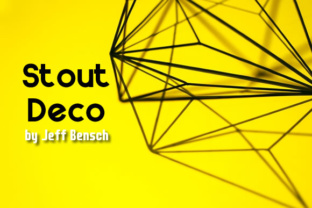
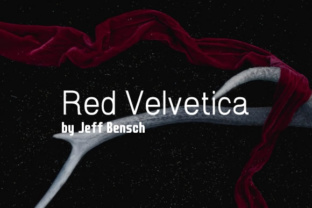
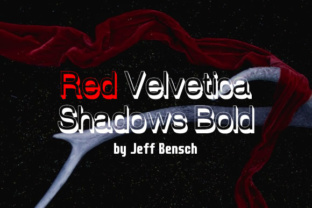
Every typeface carries a personality, and Red Velvetica Shadows Bold announces itself with unmistakable clarity. Created by Jeff Bensch, this sans serif font does not whisper. It projects confidence through thick strokes, sharp terminals, and a shadow effect that adds dimensional weight without compromising legibility. Designers who work with display typefaces often search for something that balances authority with approachability, and this particular face sits squarely in that sweet spot.
The shadow treatment in Red Velvetica Shadows Bold is not a gimmick. It functions as a subtle depth cue that makes letterforms feel solid, almost sculptural. Unlike many shadow fonts that distort the primary letter shape, Bensch’s design keeps the core glyphs clean. The shadow sits behind the letterform like a cast silhouette, creating the illusion that the text is lifted slightly off the page or screen. This optical effect works across sizes, though it performs best at medium to large display scales.
Professionals who evaluate typefaces for branding projects often look for uniqueness paired with versatility. Red Velvetica Shadows Bold delivers on both counts. It is distinctive enough to anchor a logo or headline, yet its sans serif foundation means it does not fight against other elements in a layout. The bold weight ensures presence even in crowded compositions, while the shadow detail rewards closer inspection.
Where the Typeface Excels: Real-World Applications
When you place Red Velvetica Shadows Bold into a poster layout, something happens to the hierarchy. The text becomes the hero. Posters for events, product launches, or gallery openings benefit from a headline face that demands attention without resorting to novelty. This font works particularly well when paired with a neutral secondary typeface such as a lightweight sans serif or a clean serif for body copy.
Packaging designers have also adopted this face for its ability to bridge vintage and modern aesthetics. A craft beverage label, for instance, can use Red Velvetica Shadows Bold to suggest tradition while still feeling current. The shadow effect evokes the look of embossed or debossed lettering on physical packaging, which resonates with consumers who value tactile quality in an increasingly digital marketplace.
Digital applications present an interesting case. On screens, the shadow detail can read differently depending on resolution and background color. A dark background with lighter text allows the shadow to emerge cleanly, while lighter backgrounds may require careful color selection to maintain contrast. Designers working on web or app interfaces should test Red Velvetica Shadows Bold at various sizes before committing to a full implementation. The font performs admirably in hero sections, banner headlines, and call-to-action buttons where boldness is an asset.
Motion graphics and video titles represent another strong use case. The built-in depth of the typeface reduces the need for additional layer effects in animation software. A simple fade or slide reveal can look polished because the shadow already provides dimensional interest. Titling sequences for short films, YouTube channels, or presentations gain a professional edge without heavy post-processing.
Technical Characteristics That Matter in Practice
The sans serif structure of Red Velvetica Shadows Bold ensures that even with the shadow overlay, letterforms remain recognizable. Stroke width is consistent throughout the font, and terminals are cut cleanly without flare or bracketing. This precision reflects Jeff Bensch's attention to the mechanical aspects of type design. The shadow offset is uniform across all characters, which prevents visual inconsistencies in words and sentences.
Kerning in display typefaces can make or break a design. Bensch’s spacing is tight enough to create word shapes that feel cohesive, but not so tight that the shadow effects blur together. At larger sizes, designers may still want to adjust tracking manually for specific wordmarks or logos. The font handles manual kerning adjustments gracefully because the shadow layer does not warp or detach when spacing changes.
File format and licensing are practical considerations that professionals cannot ignore. Red Velvetica Shadows Bold is available in common formats including OTF, TTF, and WOFF, making it suitable for print, desktop, and web use. Users should verify the specific licensing terms for commercial projects, particularly if the font will be embedded in apps, used in broadcast media, or included in templates distributed to third parties. Many independent type foundries offer tiered licenses that cover different use cases, and Bensch’s work is typically available through platforms that provide clear licensing documentation.
Language support is another factor. The font covers the Latin character set with extensive diacritical marks, which means it works for English and most Western European languages. Designers working with Central European, Nordic, or Baltic languages should check the glyph set before finalizing a project. Special characters and punctuation are included, which is not always the case with display-only typefaces.
Who Benefits Most from This Typeface
Graphic designers and art directors are the primary audience for a display face like this. Professionals who need to create visual hierarchy quickly will find that Red Velvetica Shadows Bold does much of the heavy lifting. A headline set in this font immediately communicates importance and tone. Art directors working across print, digital, and environmental graphics can use the same typeface to maintain brand consistency across media.
Small business owners and entrepreneurs who manage their own branding often lack access to extensive font libraries. A single distinctive typeface can serve as the cornerstone of a visual identity. Red Velvetica Shadows Bold provides enough character to differentiate a brand from competitors without requiring a full suite of custom fonts. Pairing it with a free or low-cost body typeface creates a complete typographic system that works for websites, social media graphics, and print materials.
Educators and students studying graphic design or visual communication benefit from examining typefaces that demonstrate specific design principles. The font is a teaching tool for understanding how shadow effects, stroke weight, and spacing interact. Students can analyze why Bensch chose a particular offset distance for the shadow, or how the bold weight affects readability at different sizes. This kind of hands-on typographic analysis builds foundational skills.
Hobbyists and content creators often look for typefaces that add polish without requiring advanced design skills. A YouTuber creating channel art or a blogger designing a header can use Red Velvetica Shadows Bold to achieve a professional look. The font's built-in depth reduces the need for complex layer styles in software like Canva, Photoshop, or GIMP. This lowers the barrier to entry for non-designers who still want high-quality results.
Researchers in visual communication might study this typeface as an example of how display fonts evolve. The balance between decorative and functional elements in Red Velvetica Shadows Bold reflects broader trends in typography where designers increasingly expect aesthetics and utility from a single font. Observing how Bensch's work is adopted across industries provides insight into current visual culture.
Practical Considerations for Implementation
Choosing a background color is one of the first decisions when working with this typeface. Because the shadow is dark by default, light to medium backgrounds allow the shadow to separate clearly from the foreground text. On very dark backgrounds, the shadow may merge with the background unless you invert the color scheme or use a lighter tint for the shadow layer. Some designers create a custom version by duplicating the text layer and manually offsetting the shadow in a different hue, which works but requires more time.
Size matters significantly. Red Velvetica Shadows Bold is designed for display use, which generally means 24 points or larger in print, and equivalent sizes on screen. At smaller sizes, the shadow detail can read as blur or thickening, reducing legibility. Body text, footnotes, or captions should use a different typeface. The contrast between a bold display face and a lighter body face actually enhances overall readability by creating clear typographic hierarchy.
Combining this font with other typefaces requires some attention to contrast. A pairing with a thin or light sans serif, such as Helvetica Light or a similar geometric face, creates tension that feels modern. Pairing with a serif face like Garamond or Caslon introduces a traditional counterpoint that can feel editorial or high-end. Designers should avoid pairing Red Velvetica Shadows Bold with another bold or display face, as the result can feel chaotic and competitive.
Color selection for the text itself is another area where the font shines. Because the shadow provides depth, even a single color treatment looks rich. Gradients applied to the text layer can create striking effects, especially in digital media. Metallic or fluorescent colors in print can amplify the physical quality suggested by the shadow. The font rewards experimentation, but the core design is strong enough that overcomplicating the color treatment is rarely necessary.
The Role of Red Velvetica Shadows Bold in Current Design Trends
The resurgence of bold, expressive typography in branding and digital media has created a favorable environment for typefaces like this one. Minimalism dominated design for nearly a decade, but the pendulum is swinging back toward visual richness. Red Velvetica Shadows Bold fits this moment because it offers richness without clutter. It is maximal in effect but minimal in execution—a combination that appeals to designers who want to add personality without sacrificing clarity.
Retro and vintage influences continue to shape contemporary design, and this typeface nods to that aesthetic without being nostalgic. The shadow effect recalls mid-century signage and print techniques, but the clean sans serif structure keeps it grounded in the present. Brands that want to evoke heritage without feeling outdated can use this font as a bridge between eras.
Accessibility is an increasingly important consideration in typography. While Red Velvetica Shadows Bold is not designed for body text, its use in headlines and display contexts can still be part of an accessible design system. The bold weight provides high contrast against backgrounds, and the letterforms are distinct enough to avoid confusion between similar characters. Designers following WCAG guidelines should ensure sufficient color contrast between the text, shadow, and background, which is achievable with careful color selection.
The broader trend toward variable fonts and responsive typography has not diminished the value of well-crafted static display faces. If anything, the abundance of technical options has made designers more discerning. A font like Red Velvetica Shadows Bold succeeds because it solves a specific problem: how to make text feel substantial and dimensional without relying on software effects that may not translate across platforms. It is a self-contained solution that works consistently whether viewed in print, on a monitor, or on a mobile screen.
Observations from Practical Use
After working with Red Velvetica Shadows Bold across several projects, a few patterns emerge. First, the font performs best when it is given space. Crowding it with other bold elements reduces its impact. Giving the typeface room to breathe—both through margins and surrounding white space—allows the shadow detail to register fully. Second, the font rewards simplicity in supporting elements. A plain background and minimal additional graphics let the typography carry the visual load. Overdesigning around this face often dilutes its effect.
Users who invest time in custom kerning or letter-spacing for specific applications will see a noticeable improvement. The default spacing is good, but display type often benefits from fine-tuning. For instance, tightening the space between two characters that have open counters can create a more cohesive word shape. Loosening tracking slightly can make the shadow effects stand apart more clearly. These adjustments are options, not requirements, but they demonstrate how experienced designers can extract even more value from the font.
The shadow color is another variable worth experimenting with. Most implementations use a dark shadow on light backgrounds, but reversing this—using a light shadow on a dark background—creates an inner glow effect that changes the entire mood of the text. This technique works particularly well for digital applications where backlighting is common. Similarly, using a colored shadow instead of black or dark gray can tie the typography into a brand's color palette without altering the font itself.
For long-term projects like brand identities that will persist for years, the timeless quality of Red Velvetica Shadows Bold is an asset. Trend-driven typefaces often date quickly, but this font's foundation in classic sans serif forms gives it staying power. The shadow effect may evoke current design sensibilities, but the underlying structure is solid enough that the font will not feel outdated when trends shift. This balance between contemporary appeal and classic structure is rare and valuable.
Typographic choices ripple through every aspect of visual communication. A single typeface can define the tone of a brand, the readability of a publication, or the emotional impact of a poster. Red Velvetica Shadows Bold by Jeff Bensch occupies a distinctive place in the landscape of display typefaces. It offers designers, creators, and businesses a tool that is at once bold and refined, decorative and functional, contemporary and enduring. Understanding its characteristics, applications, and practical considerations allows anyone working with type to make informed decisions that elevate their work. Whether you are designing a logo, building a website, creating a presentation, or teaching the next generation of designers, this font provides a reliable foundation for clear, compelling visual communication.