Stout Deco: A Bold Sans Serif Font by Jeff Bensch
Typography has a way of setting the tone before a single word is read. Among the many typefaces available today, Stout Deco stands out as a particularly striking sans serif font created by Jeff Bensch. If you have spent any time looking for a typeface that feels both sturdy and stylish, this one likely caught your attention. It carries a distinct personality that works well across a variety of projects, from posters and branding to digital content and print materials. Whether you are a beginner exploring fonts for the first time or a professional looking for something fresh, Stout Deco offers something worth considering.
What Makes Stout Deco Different from Other Sans Serif Fonts
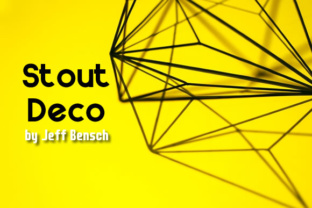
At first glance, Stout Deco feels bold and confident. The letters have a solid, grounded appearance with a slightly condensed structure. Unlike many sans serif fonts that aim for neutrality, this one leans into a more expressive direction without losing readability. Jeff Bensch designed it with a clear sense of purpose: to create a typeface that commands attention while remaining functional.
The deco influence is evident in the geometric shapes and clean lines. There is a hint of early twentieth-century design language, but it does not feel dated. Instead, Stout Deco brings that vintage deco spirit into a modern context. The letterforms are sturdy, with consistent stroke weights and sharp terminals. This makes it particularly effective for headlines, titles, and any situation where you want the text to carry visual weight.
Another notable characteristic is its versatility despite its boldness. While some display fonts only work at large sizes, Stout Deco holds up well in smaller applications too, as long as the context is right. The x-height is generous, which helps with legibility, and the spacing between letters feels balanced without being too tight or too loose.
Who Might Find Stout Deco Useful
This font appeals to a wide audience, which is one of its strengths. Bloggers and content creators who want their headers to pop will find Stout Deco a reliable choice. Small business owners working on signage, packaging, or promotional materials can use it to establish a strong visual identity without relying on overly decorative or distracting typefaces.
Marketers and entrepreneurs often need fonts that convey confidence and clarity. Stout Deco delivers that without feeling aggressive or cold. Freelancers, especially those in graphic design, web design, or branding, will appreciate how it anchors a layout. Educators and hobbyists who dabble in presentations, newsletters, or event flyers will also find it easy to work with, even if they do not have a deep background in typography.
For beginners, Stout Deco is forgiving. It pairs well with many other typefaces, so you do not need to be a typography expert to create a cohesive look. Whether you are building a personal brand or working on a client project, this font supports your goals without demanding a steep learning curve.
Where Stout Deco Shines in Real Projects
One of the most common uses for Stout Deco is in headline typography. Its strong presence makes it ideal for blog post titles, article headers, and landing page headlines. When used in this way, it immediately draws the eye and establishes hierarchy. You might pair it with a lighter, more neutral font for body text, creating a contrast that feels intentional and polished.
Posters and flyers benefit from the font's bold character. Whether you are promoting an event, a sale, or a creative workshop, Stout Deco helps the message stand out from a distance. Its geometric roots give it a clean, organized feel that works well for both digital and print formats. Social media graphics, especially those used for announcements or quotes, also look strong with this typeface.
Branding and logo design is another area where Stout Deco performs well. Small businesses, creative agencies, and even personal brands can use it to communicate reliability and style. Because the font has a distinct personality, it can become a memorable part of a brand's visual language. Jeff Bensch designed it to be versatile enough for both wordmarks and taglines, depending on how you choose to apply it.
Product packaging is another realistic use case. If you are designing labels for a craft product, a food item, or a specialty good, Stout Deco adds a sense of quality and craftsmanship. It does not feel overly corporate, which is a plus for brands that want to appear approachable yet professional.
In digital contexts, this font works well for hero sections, call-to-action buttons, and short-form content where impact matters more than long-form readability. It is also a strong choice for email headers and newsletter titles. Just keep in mind that for extended reading, a more standard body font will serve your audience better.
Practical Considerations When Using Stout Deco
Before you download and start using Stout Deco, there are a few things to keep in mind. Like any display-oriented font, it works best when used selectively. Overusing it throughout an entire project can dilute its impact and may even hurt readability, especially in longer paragraphs. Reserve it for elements that need emphasis, such as headings, subheadings, and short promotional lines.
Pairing is important. Stout Deco pairs well with clean serif fonts, simple sans serif fonts, and even some script typefaces if you want a more dynamic look. Experiment with contrast to find combinations that feel balanced. A good rule of thumb is to let Stout Deco take the lead and keep companion fonts more restrained.
Licensing is another consideration. Depending on where you obtain the font, there may be restrictions on commercial use. Always check the license agreement before using Stout Deco in client work, products, or any revenue-generating project. This is standard practice for any typeface, but it is worth repeating to avoid issues down the road.
File format and compatibility also matter. Make sure the version you download works with your design software, whether that is Adobe Creative Suite, web design tools, or office applications. Most modern font files come in OTF or TTF formats, which are widely supported. If you are using Stout Deco on the web, confirm that the licensing covers web embedding and consider using fallback fonts for older browsers.
A Few Observations from Working with Stout Deco
After using Stout Deco in a few projects, one thing becomes clear: it has a distinct voice. This is not a font that fades into the background. It asks to be noticed, and that is exactly what many projects need. Whether you are designing for a local business, a personal brand, or a creative portfolio, the font brings a level of confidence that is hard to ignore.
That said, it is not the right choice for every situation. If you are working on a project that requires a soft, understated, or highly formal tone, Stout Deco might feel too assertive. It is a font with character, and character is not always appropriate. Knowing when to use it is just as important as knowing how to use it.
For those who are new to typography, Stout Deco is a great font to learn with. Its rules are clear: use it boldly, give it space, and let it lead. As you become more comfortable, you will start to see how it interacts with color, layout, and other design elements. It rewards experimentation without punishing mistakes.
Jeff Bensch created a typeface that fills a specific niche with confidence. In a world where so many fonts aim to be neutral, Stout Deco embraces its personality. That honesty is refreshing, and it is likely why so many designers, both new and experienced, continue to reach for it.
Final Thoughts on Choosing Stout Deco
If you are looking for a sans serif font that brings a sense of strength and style to your work, Stout Deco deserves a closer look. It is versatile enough for a range of applications yet distinct enough to make a lasting impression. Whether you are a blogger, a business owner, a freelancer, or a hobbyist, this font can help you communicate with clarity and presence.
The key is to use it thoughtfully. Understand its strengths, respect its limits, and pair it with complementary elements. When you do, Stout Deco becomes more than just a typeface. It becomes a tool that elevates your message and connects with your audience in a meaningful way.