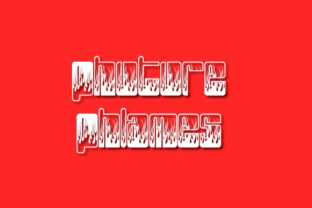
Blockt: A Display Font Built for Impact and Practicality
When evaluating display fonts for branding, editorial design, or digital content, it is rare to find one that balances visual punch with everyday usability. Blockt, created by type designer Jeff Bensch, is one of those exceptions. Designed with a modular, geometric structure, Blockt offers a distinctive aesthetic without sacrificing legibility or flexibility. For professionals who rely on typography to communicate tone and hierarchy, this font deserves a closer look.
What Makes Blockt Worth Your Attention
Blockt is not another generic sans-serif. It belongs to a category of display typefaces that prioritize shape and structure over ornamentation. Jeff Bensch designed it with an eye for consistency, building each character from repeating geometric forms. The result is a family of letters that feel both engineered and organic—balanced enough for corporate use yet bold enough for creative projects.
What stands out immediately is the font's uniformity. The x-height is generous, the stroke widths are even, and the spacing remains tight without crowding. This makes Blockt perform well in both large and small sizes, though its true strength lies in larger applications like headlines, posters, and logo treatments. The design avoids trendy flourishes, which means it will age well and remain useful across multiple campaigns.
Design Philosophy and Construction
Jeff Bensch's approach to Blockt reflects a deep understanding of modular type design. Each letterform is constructed from a limited set of shapes—rectangles, squares, and clean curves—which gives the font its cohesive appearance. This modularity also aids in readability, as the eye quickly learns to recognize consistent patterns. The weight range is deliberately narrow, typically offering regular and bold variants, but this restraint ensures that every version remains true to the original concept.
The font includes standard punctuation, numerals, and support for multiple Latin-based languages. It does not attempt to be a complete system, but rather a specialized tool for specific use cases. This focus is a strength for anyone who needs a reliable headline face without the clutter of excessive variations.
Practical Value in Real-World Use
In practice, Blockt performs well across different media. I have used it in print for trade show banners and in digital for landing page headers. In both contexts, it maintained presence without overwhelming surrounding content. The neutral geometric design allows it to pair effectively with serifs for body text or with other sans-serifs for contrast.
One practical recommendation is to use Blockt in all-caps or title case for maximum impact. Its even spacing and consistent stroke weight make uppercase settings feel authoritative and clean. For subheadings or pull quotes, dropping the size slightly while keeping it bold creates a clear hierarchy. The font also works well in limited color palettes—solid black, white, or a single brand color—as it does not rely on gradients or effects to hold attention.
- Print materials: Flyers, posters, brochures, and signage benefit from Blockt's clarity at distance.
- Digital graphics: Social media posts, email headers, and slide decks gain a modern, professional edge.
- Editorial design: Magazine covers and article titles can assert presence without looking aggressive.
- Brand identity: Logos and wordmarks built around Blockt feel stable and memorable.
Flexibility and Consistency
While Blockt is not a variable font with unlimited axes, the available weights are well-calibrated. The regular weight works for medium-sized headlines, while the bold holds up in large formats. Because the design is so consistent, switching between weights does not introduce unexpected shifts in width or spacing. This reliability is especially valuable when setting multiple lines of text—such as in a stacked headline—where uneven spacing would be distracting.
Kerning is handled thoughtfully out of the box. Pairs like "AV," "To," and "VA" flow naturally, reducing the need for manual adjustments in most layouts. For critical logo work, you may still want fine-tune spacing, but the default state is serviceable for 90% of projects.
Who Benefits Most from Blockt
Understanding the intended audience helps determine whether Blockt fits your toolkit. This font is best suited for professionals who need a dependable display face with a modern, geometric edge.
- Graphic designers working on branding, packaging, or editorial projects will appreciate the font's structural integrity and ease of use in layouts.
- Marketing teams creating campaigns across print and digital can rely on Blockt to maintain consistency across applications.
- Content creators and bloggers who want their article headers to stand out without resorting to gimmicks will find Blockt effective and professional.
- Small business owners designing their own signage or promotional materials can use Blockt to achieve a polished look without hiring a designer for every asset.
- Educators and publishers producing materials for courses or reports will benefit from the font's clarity in titles and section dividers.
Scenarios Where Blockt Shines
Imagine you are designing a conference program. The cover needs to state the event name boldly, and inside you have speaker names, session titles, and sponsor logos. Blockt can carry the main title on the cover, while other sections can use a supporting body font. The geometric strength of Blockt reinforces a sense of order and credibility, which suits professional gatherings.
For a digital product launch, using Blockt for the landing page headline can signal that the offering is solid and modern. Pair it with clean sans-serif body text, and the page reads as intentional and refined. The font's neutral personality allows the product imagery and copy to take center stage while providing a strong structural anchor.
Considerations and Potential Limitations
No typeface is perfect for every situation, and Blockt has its boundaries. The most obvious limitation is its unsuitability for long-form body text. The modular design, while visually striking, becomes tiring to read in extended paragraphs. Save it for short lines and prominent positions.
The weight range is also restricted. If your project requires a full spectrum from light to black, Blockt will not fill that need. It works best when paired with a complementary family that handles text sizes and lighter weights. Additionally, the geometric style may not align with brands that favor organic, hand-drawn, or highly decorative looks. It is a modern tool, not a universal one.
Another consideration is licensing. Depending on where you purchase Blockt, the license may limit the number of users or projects. Always verify the terms, especially if you work in an agency setting or plan to use the font for client work. Web font versions may also require separate licensing for embedding on websites.
Assessing Long-Term Value
When investing in a typeface, longevity matters. Blockt is not a trend-driven font. Its geometric roots are grounded in design principles that have remained relevant for decades. Provided you have a consistent need for display typography with a clean, modern posture, Blockt will serve you well across many projects without feeling dated.
The font's modular construction also makes it adaptable for different visual systems. If you develop a brand guideline around Blockt, you can confidently use it across various media knowing the identity will hold together. This consistency reduces design time and helps maintain a professional appearance.
Final Practical Advice
If you decide to try Blockt, begin by using it in one or two high-visibility applications. Test how it works with your existing palette and preferred body fonts. Adjust tracking and leading slightly to match your medium—print may need tighter spacing than digital. Pay attention to how it reads at the sizes you use most; for screen use, consider anti-aliasing settings that preserve the crisp edges.
Blockt is a specialized tool, but within its niche it performs reliably. For designers, marketers, and business owners who need a display face that communicates structure and clarity, Jeff Bensch's Blockt offers a practical, effective solution. It does not promise to be everything to everyone, but for those who need what it delivers, it is a valuable addition to the typographic toolbox.