Bus Stop Worn: A Rugged Display Font by Jeff Bensch
Typography can change how a message feels, and few typefaces capture a specific mood as well as Bus Stop Worn does. Created by designer Jeff Bensch, this font draws inspiration from weathered signage, distressed urban surfaces, and the worn lettering you might spot on old transit stops. It is not a neutral, clean typeface meant for long body text. Instead, it is a display font built for impact, character, and a sense of history.
If you have ever wanted a design to feel slightly aged, gritty, or hand-worn without looking fake, Bus Stop Worn offers a practical solution. It is a single font that brings texture and personality to projects where a polished look would feel out of place.
What Makes Bus Stop Worn Different from Standard Fonts
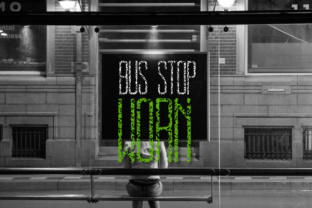
Most digital fonts aim for consistency every letter is identical, every curve is smooth, and every edge is crisp. Bus Stop Worn goes in the opposite direction. Its letters show signs of wear. Edges appear chipped, surfaces look scratched, and some strokes feel uneven, as if the typeface has been exposed to weather and time. This is not a flaw. It is the central feature.
The font sits firmly in the rough or distressed category of display typefaces. It is not trying to be elegant or subtle. Instead, it mimics the look of enamel signs, stenciled bus numbers, or painted lettering that has faded and cracked over decades. Jeff Bensch designed it with a clear purpose: to give designers a tool that feels authentic and tactile, even on a screen.
Because it is a display font, Bus Stop Worn works best at larger sizes. Think headlines, posters, logos, or any place where you want the letterforms themselves to be part of the visual message. At small sizes, the distressed details might blur together or become hard to read, but that is expected for this style.
Who Benefits from Using Bus Stop Worn
This font appeals to a broad range of creators, but it suits certain needs especially well. Beginners often enjoy it because it adds instant character to a project without requiring advanced design skills. If you drop Bus Stop Worn into a headline, it immediately changes the tone. There is no need to add filters, textures, or extra effects. The wear is built in.
Freelancers and small business owners might find it useful for branding that aims for a vintage, industrial, or handmade feel. A coffee shop, a bicycle repair service, a craft brewery, or a record label could all benefit from a typeface that feels grounded and unpolished. Bloggers and content creators working on YouTube thumbnails, social media graphics, or website headers can use it to stand out from the crowd of clean sans-serif designs.
Educators and hobbyists exploring typography will appreciate how Bus Stop Worn demonstrates a specific design approach. It shows how imperfection can become a stylistic choice rather than an accident. For professionals in graphic design or marketing, the font serves as a reliable tool for projects that call for a weathered aesthetic without needing custom hand-lettering.
Practical Uses and Realistic Scenarios
Let us look at where Bus Stop Worn fits naturally. One of the most straightforward applications is poster design. Imagine creating a poster for a local music event, a flea market, or an outdoor film screening. A standard font might look too corporate. Bus Stop Worn gives the design a sense of place and time. It feels like something you might see stapled to a telephone pole or taped to a bus shelter window.
Another common use is product packaging. Small brands that sell artisanal goods like soap, candles, or coffee often want packaging that feels handmade. Using Bus Stop Worn for the product name or tagline reinforces that handcrafted impression. The distressed texture suggests care and authenticity rather than mass production.
Digital creators can also put it to work. YouTube channel art, Twitch overlays, and podcast cover art often benefit from bold, textured typography. If your content deals with topics like urban exploration, history, DIY projects, or vintage culture, Bus Stop Worn aligns well with that identity. It helps communicate a certain rawness and honesty.
Merchandise design is another area. T-shirts, tote bags, and stickers featuring bold worn lettering have a natural appeal. The font works well when printed on fabric or paper because its distressed style already anticipates the slight imperfections of real-world printing. What might look like a flaw in a clean font looks intentional here.
Even in professional contexts like restaurant menus or bar signage, Bus Stop Worn can add character. A gastropub or a diner with a retro theme might use it for section headers or the establishment name. It feels less polished than a script font but more deliberate than a basic sans serif.
What to Consider Before Using Bus Stop Worn
Like any specialized tool, Bus Stop Worn works wonderfully in the right context but less so in others. The most important thing to keep in mind is readability. Because the letters are intentionally worn, they can be harder to read at small sizes or in long blocks of text. Avoid using it for body copy, paragraphs, or any situation where clarity is critical. Reserve it for short phrases, headlines, and focal points.
Another consideration is pairing. Bus Stop Worn has a strong personality, which means it needs a gentle partner. Pair it with a simple, clean font for the rest of your text. A neutral sans serif like Helvetica, Open Sans, or Lato works well. Let Bus Stop Worn be the star of the show, and let other typefaces handle the supporting roles. This prevents the design from feeling chaotic or overdone.
Color choice also matters. The distressed details show best against solid backgrounds, especially lighter colors where the worn edges create contrast. Dark backgrounds can sometimes hide the texture, so test your color combinations before finalizing a design. Similarly, avoid placing Bus Stop Worn over busy photographic backgrounds, as the details may get lost.
Licensing is another practical point. If you are using Bus Stop Worn for commercial projects, make sure you have the appropriate license. Jeff Bensch has made this font available through various channels, and the terms can differ. Some versions may be free for personal use but require a purchase for commercial applications. Always check before releasing a product or publishing a client project.
Finally, consider whether the worn aesthetic truly fits your message. Not every brand or project benefits from a distressed look. If you are designing something that requires trust, cleanliness, or precision, like a medical brochure or a financial report, Bus Stop Worn is not the right choice. It is a font with a specific voice, and using it in the wrong context can confuse your audience.
Bringing It All Together
Bus Stop Worn by Jeff Bensch is a practical, character-driven display font that brings a weathered urban feel to any project. It solves the problem of wanting authentic texture without spending hours creating it yourself. Its main strength is the built-in distress, which saves time and adds personality in one step.
Whether you are a beginner looking for an easy way to make your designs stand out, a freelancer building a brand identity, or a professional seeking a reliable distressed typeface, Bus Stop Worn deserves a spot in your toolkit. Use it boldly, pair it simply, and test it carefully. When applied well, it transforms ordinary typography into something that looks like it has a story behind it.
Typography is about more than just words. It is about how those words feel. Bus Stop Worn feels like a sign that has been on the corner for decades, still doing its job, no matter the weather. That kind of character is hard to fake. With this font, you do not have to.