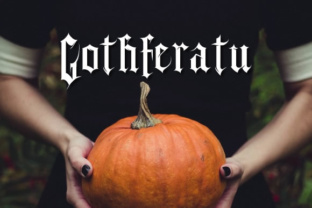
Gothferatu: A Strategic Approach to Using a Distinctive Display Typeface
Every project, whether a brand identity, a campaign, or a personal creative pursuit, benefits from deliberate choices in typography. Typefaces do not simply carry words; they set a tone, establish a mood, and influence perception. Gothferatu, a font created by designer Jeff Bensch, offers a striking example of a display typeface that demands careful consideration. Its dramatic, gothic-inspired letterforms evoke a specific atmosphere—dark, theatrical, and slightly unsettling. When used thoughtfully, Gothferatu can become a strategic asset in communication, branding, and visual storytelling. But without a clear plan, its strong personality can work against your goals. This article explores how to approach Gothferatu with intention, weighing its potential against the realities of your audience, context, and long-term objectives.
Understanding What Gothferatu Brings to the Table
Gothferatu is not a neutral font. Its name alone hints at its heritage—a blend of gothic typographic tradition and the vampiric, shadowy world of Nosferatu. Jeff Bensch crafted a typeface that carries historical reference to blackletter styles while injecting a modern, almost cinematic sense of drama. The result is a face that feels old-world yet contemporary, with sharp angles, ornate details, and a weight that commands attention.
From a strategic standpoint, the first question is: what does this font do for your message? It injects character, thickness, and a sense of ritual. It can signal heritage, rebellion, mystery, or power. For an entrepreneur or marketer, the choice to use Gothferatu should be driven by the message you want the audience to absorb, not by a personal preference for its aesthetic alone. The font is a tool for positioning, and its use must align with the core values and personality of whatever you are presenting.
When Gothferatu Strengthens Your Brand and Positioning
Your brand voice and visual identity should work in harmony. A font like Gothferatu fits naturally into niches where drama, history, or darkness are relevant. Consider a microbrewery that produces an imperial stout with names like “Midnight Rite.” A logo set in Gothferatu immediately tells customers this is not a light, playful product. It says depth, richness, and maybe a touch of the occult. Similarly, a boutique event planner specializing in gothic weddings or masquerade balls could use Gothferatu on invitations and signage to reinforce an immersive experience.
For marketers launching a limited-edition product around Halloween or a horror-themed campaign, this typeface can create instant recognition and emotional resonance. The key is that the font is not used randomly—it becomes part of a deliberate visual narrative. When potential customers see Gothferatu, they should feel that the brand has thought about its identity beyond the obvious. It suggests confidence and a willingness to stand apart.
Practical Examples of Strategic Use
- Packaging for a dark spirit or wine brand: A label using Gothferatu for the product name can convey antiquity and craftsmanship. Pair it with a clean sans-serif for tasting notes to maintain readability.
- Posters for a film festival or theater production: Use Gothferatu for the title and supporting serif or sans-serif type for details. It draws the eye and sets the genre immediately.
- Merchandise for a gothic-inspired clothing line: Screen-printed logos or tags in Gothferatu signal authenticity to a subculture audience.
- Book covers for horror, dark fantasy, or historical fiction: The typeface can be the difference between a cover that whispers dread and one that shouts it.
Planning Your Typography System Around a Display Font
Gothferatu is not designed for body text. Its ornate details and heavy strokes make long-form reading fatiguing and, in small sizes, nearly illegible. The strategic planner will use it sparingly—for headlines, subheadings, pull quotes, or logotypes—and combine it with a more neutral companion typeface for paragraphs, captions, and data. This pairing is where planning becomes critical.
Consider building a typographic hierarchy. For example, use Gothferatu for the primary headline, a simple serif like Garamond or a modern slab serif for secondary headings, and a clean sans-serif like Open Sans or Lato for body copy. Such a system respects the display font’s impact while ensuring accessibility and readability. Test combinations on different screens and print materials before committing. Ask: does the pairing feel intentional or jarring? Does the hierarchy guide the reader naturally from bold statement to supporting information?
Risks and Considerations Before Choosing Gothferatu
The strongest typefaces come with risks. Gothferatu’s personality can overwhelm a design or alienate an audience if used without context. A financial services firm or a healthcare provider, for instance, would rarely benefit from a gothic display font—it could undermine trust and professionalism. Even within creative industries, using Gothferatu for a brand that aims for cheerfulness or accessibility could send confusing signals.
Another consideration is cultural and generational perception. While a 20-year-old might associate a gothic font with gaming or alternative fashion, an older professional might see it as dated or overly aggressive. Know your demographic. If you are marketing to a broad audience, using a less extreme typeface may be wiser, reserving Gothferatu for specific sub-brands or limited campaigns where its effect can be controlled.
Accessibility also matters. Decorative fonts often fail contrast and readability standards, especially for users with visual impairments. Ensure that when you use Gothferatu on a website or digital material, the text size is large enough and the background provides sufficient contrast. Do not rely on it for critical information, calls to action, or navigation labels. Let it do the heavy lifting for brand impression while more legible fonts handle usability.
Decision-Making Guidance for Entrepreneurs and Creators
Before you download or license Gothferatu, ask several strategic questions. First, what is the primary goal of the piece you are designing? Is it to provoke emotion, to be remembered, to drive clicks, or to convey authority? Second, who is the audience and what are their expectations? If they expect a gothic or dark theme, the font is a natural fit. If not, you may be forcing a square peg into a round hole. Third, what is the context of use? A one-off poster or social media graphic can take more creative risk than a permanent logo that will appear in hundreds of touchpoints. Finally, consider your long-term brand consistency. If you use Gothferatu only once and never again, it may confuse rather than reinforce. Strategic use implies some level of repetition and system.
For a blogger or freelance educator who creates content about gothic literature or dark design trends, using Gothferatu for recurring section headers can build a recognizable visual identity. That consistency, across several articles or videos, signals that you have a clear editorial vision. For a small business owner running a tattoo shop or occult shop, making Gothferatu part of your storefront signage and business cards creates a cohesive brand experience that attracts your target clientele.
Creativity and Productivity Gains Through Intentional Typography
Choosing a font like Gothferatu is not just about aesthetics—it affects your own creative workflow. When you commit to a strong visual direction early, you reduce decision fatigue. Instead of endlessly tweaking type choices, you build around a selected foundation. That efficiency frees mental energy for refining your message, layout, and overall user experience. Productivity improves when the design system is clear.
Additionally, the unique character of Gothferatu can inspire content. A promotional campaign built around a gothic theme may generate ideas for taglines, imagery, and storytelling that a generic font would not spark. The font becomes a creative constraint that sharpens focus. Use it as a prompt for your planning phase: what kind of voice does this font demand? What adjectives come to mind? Then align your copy and imagery to match.
Operational and Customer Experience Implications
Typography affects how customers navigate and feel about your brand. If your website uses Gothferatu for a main headline on the homepage, visitors who browse on mobile may see a distorted or poorly rendered version. Test on devices. If the font is not web-optimized, load times can suffer, harming conversion rates. Consider using a fallback font stack that preserves the gothic feel with a more common alternative like UnifrakturCook or Pinyon Script, but test that fallback maintains brand tone.
In physical spaces, such as a retail store or event venue, signage set in Gothferatu must be readable from a distance. A tall, ornate letter might be beautiful at close range but illegible when seen from across a room. Evaluate the viewing conditions and scale accordingly. For customer-facing materials like menus or brochures, reserve Gothferatu for titles only; body text in a smaller size may frustrate readers. Good customer experience means respecting the user’s effort to read your message.
Long-Term Value and Iteration
A typeface like Gothferatu can become a signature element if used consistently. Over time, audiences start to associate that visual cue with your brand, building recall and differentiation. However, trends shift, and what feels daring today may feel cliché in a few years. Plan for iteration. Use the font as part of a flexible visual system that can evolve without a full overhaul. For example, you might use it prominently in a launch campaign, then gradually reduce its role in later phases while keeping it in the brand’s extended palette.
Document your typography decisions. Note why you chose Gothferatu, what impact it had on engagement or brand perception, and how it paired with other elements. That record helps when you revisit your identity or when a new team member asks why that particular curl or spike exists in your materials. It grounds decision-making in strategy rather than fleeting taste.
Final Strategic Observations
The most important step is to resist using Gothferatu simply because it looks cool. Coolness fades. Strategic value remains. Ask yourself what outcome you want from this typographic choice: deeper emotional connection, clearer positioning, higher memorability, or all three. Then design your implementation with those outcomes as your guide.
Jeff Bensch created Gothferatu as a piece of expressive design. As a user, your role is to harness that expression toward a purposeful end. Whether you run a small business, build a personal blog, or create content for an audience of thousands, treat the font as a decision, not an accident. Test it with real people. Measure its effect on comprehension and sentiment. Adjust if it pulls attention away from your core message. Used intentionally, Gothferatu can elevate your work from ordinary to distinctive—but only if you apply the same rigor to its use as you do to any other strategic tool.