Roman Flames: The Strategic Value of a Decorative Typeface in Modern Branding
In a digital environment increasingly filled with clean, uniform sans-serif typefaces, achieving visual distinction requires more than just a logo. It requires a deliberate choice in typography that reflects the energy and identity of a brand. The Roman Flames is a decorative font created by Jeff Bensch, and it offers a compelling tool for professionals who understand that how something looks is just as important as what it says. This typeface merges the structural authority of classical Roman letterforms with the raw, kinetic energy of stylized flames. It is not a font designed for lengthy paragraphs or subtle body text. Instead, it is a strategic asset for capturing attention, conveying passion, and building a memorable visual identity in a crowded marketplace.
The Craft Behind a High-Impact Display Font
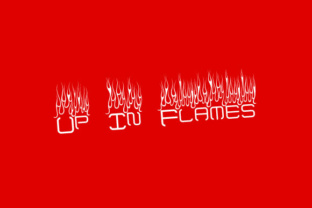
What sets Roman Flames apart from generic novelty fonts is the foundational craftsmanship Jeff Bensch applied to its design. The underlying structure is rooted in serif typography, providing a sense of tradition, weight, and stability. The flame motifs are not simply layered on top of the letters; they are integrated into the form of the characters, often replacing ascenders or extending from serifs in a way that feels organic rather than forced. This balance allows the font to maintain legibility at display sizes, making it a viable option for logos, headers, and short-form messaging. For a designer or business owner, this means the typeface can communicate intensity and heat without sacrificing the professional polish required for modern branding projects. It is a piece of functional art, carefully calibrated to make an impression while remaining usable across print and digital mediums.
Why Expressive Typography Is Gaining Momentum
The dominant design trends of the last decade have heavily favored minimalism, flat interfaces, and neutral type families. While this approach improves readability and site performance, it has also led to a certain visual homogeneity. As a response, creators and brands are increasingly seeking out expressive, character-driven typefaces to differentiate themselves. The Roman Flames font fits naturally into this shift toward what some describe as nuanced maximalism or retro-modern design. Audiences are drawn to textures, imperfections, and thematic elements that tell a story. This font evokes the heat of vintage neon signage, the urgency of classic motorsport graphics, and the passion of hand-lettered posters. It meets a growing demand for authenticity and personality in branding, allowing even a small business or solo creator to project a distinct visual voice without needing a custom lettering artist on retainer.
This evolution is also driven by changes in media consumption. Short-form video, streaming overlays, thumbnail art, and social media graphics all rely on immediate visual hook. A headline set in a generic typeface can easily be scrolled past. The same headline rendered in a font like Roman Flames carries an implicit emotional weight. It says, "This content has energy, this brand is not afraid to stand out." For marketers and content creators, this can translate directly into higher engagement and better brand recall.
Practical Applications Across Creative and Professional Fields
Understanding where Roman Flames fits best is key to using it effectively. Its impact is strongest when applied to specific roles and projects. For graphic designers, it is an excellent option for client work in high-energy industries: fitness brands seeking to convey intensity, hot sauce companies aiming for heat, automotive shops wanting speed and power, or music festivals needing a bold, retro edge. Having a font like this in a designer's library allows them to respond quickly to niche briefs with confidence.
For entrepreneurs and small business owners, branding is often an area where budget constraints lead to diluted messaging. A well-chosen typeface can elevate a simple logo or a basic website header. A local gym or a boutique gaming channel can use Roman Flames to signal their core value instantly. It communicates passion and intensity without the need for complex illustration or expensive custom design work. It is a shortcut to a specific emotional tone, and when used sparingly, it creates a powerful anchor for the rest of the visual system.
Content creators, particularly in the podcasting, streaming, and YouTube spaces, need tools that grab attention in a split second. Thumbnails, channel headers, and merchandise designs all benefit from typography that pops. Roman Flames works exceptionally well for titles, episode numbers, and short phrases that reinforce a brand's theme. Imagine a podcast about entrepreneurship called "Burning Ambition." The font becomes an extension of the title itself, visually representing the drive and heat the podcast promises to deliver. This kind of cohesive, thoughtful design builds trust and recognition with an audience.
Best Practices for Using a Thematic Display Font
Working with a typeface as visually assertive as Roman Flames requires a strategic approach. The very qualities that make it compelling can become overwhelming if not balanced correctly. One of the most important principles is contrast. Pair Roman Flames with a neutral, highly readable companion font for body copy and secondary information. A clean sans-serif like Open Sans, Lato, or Montserrat allows the display font to shine in headers without fatiguing the viewer. This creates a clear visual hierarchy, guiding the reader where to look first and how to process the information comfortably.
Color choice also plays a significant role. While the font is versatile, it naturally gravitates toward warm palettes. Deep reds, oranges, yellows, and high-contrast applications like white on black or gold on dark charcoal tend to look most natural. The visual logic of flames means that dark backgrounds can make the letterforms pop, almost as if the text is glowing. This is a practical consideration for anyone designing logos, social media graphics, or merchandise. Testing the font in different color contexts before finalizing a design ensures that the emotion you intend to convey is actually the one the audience feels.
Less is almost always more with decorative fonts. Reserve Roman Flames for logos, headlines, short phrases, and key callouts. Avoid using it for lengthy text blocks, navigation menus, or anything that requires sustained reading. The very detail that gives it personality can cause eye strain or detract from comprehension at small sizes or over long passages. Additionally, respecting the licensing agreement is essential. Roman Flames is a commercial typeface created by an independent designer. Purchasing the appropriate license supports the ecosystem that allows designers like Jeff Bensch to continue producing high-quality, unique tools for the creative community.
The Strategic Value of Thinking Beyond the Generic
The most successful brands understand that typography is not just a delivery system for words; it is a core component of visual identity. Every font carries psychological and cultural associations. Serif fonts suggest tradition and reliability. Sans-serifs suggest modernity and cleanliness. A font like Roman Flames, with its bold narrative elements, suggests energy, heat, and a willingness to break from the norm. Choosing it is a deliberate statement. It tells an audience that you prioritize passion and intensity. In a landscape where so many brands look alike, this kind of intentional differentiation can be a significant competitive advantage.
For freelancers, marketers, business owners, and creators, investing time in understanding the tools available for visual communication pays dividends. The Roman Flames font, created by Jeff Bensch, is a prime example of a niche tool that solves a specific problem: the need for immediate, visceral emotional impact. It is not the right choice for every project, but when the message calls for heat, urgency, and a classic foundation, it is an exceptionally effective solution. By using such tools thoughtfully and sparingly, professionals can craft identities that are not only seen but felt, building deeper connections with the audiences they aim to reach.