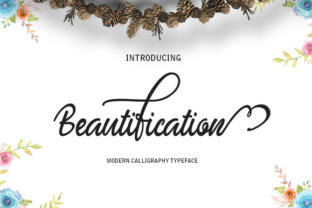
Beautification: The Modern Calligraphy Typeface Redefining Visual Communication
In an era where digital noise is pervasive and attention spans are shrinking, the tools we use to communicate visually have never been more consequential. Typography, often described as the clothing of language, carries the burden of first impressions. Among the emerging stars in this domain is Beautification, a modern calligraphy typeface that marries the discipline of traditional script with the clarity demanded by contemporary media. This is not merely another decorative font; it represents a shift in how creators, marketers, and entrepreneurs approach authenticity and connection in their work.
The Anatomy of a Modern Calligraphy Typeface
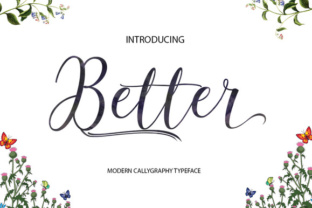
At its core, Beautification is a typeface that embodies the nuances of natural handwriting. Unlike rigid, mechanical scripts, it captures the subtle variations in stroke weight, slant, and spacing that characterize genuine calligraphy. The result is a typeface that feels alive—each character appears to have been penned by a skilled hand, yet the consistency across the alphabet ensures legibility and usability across digital and print platforms.
What sets Beautification apart from other calligraphy typefaces is its intentional imperfection. The slight irregularities in letterforms mimic the organic flow of ink on paper, creating a texture that resonates with audiences seeking authenticity in a world of polished, algorithm-generated visuals. For the professional designer, this means access to a tool that adds emotional depth without sacrificing readability.
Why the Market Is Turning to Handwritten Aesthetics
The rise of Beautification coincides with a broader cultural and commercial movement toward human-centered design. Over the past decade, minimalism and sans-serif uniformity dominated branding. While clean and efficient, this approach often left brands feeling sterile and interchangeable. Today, consumers—particularly in lifestyle, wellness, hospitality, and creative sectors—crave personality. They want to feel the presence of a human hand behind the message.
This is where Beautification enters as a strategic asset. Its handwritten quality signals warmth, approachability, and craftsmanship. Consider how a wedding invitation, a boutique label, or a social media graphic feels when set in a standard serif versus a flowing calligraphy script. The latter communicates care, celebration, and individuality. It says that someone took the time to create something special, not just assemble it from a template.
Entrepreneurs and marketers are paying attention because this aesthetic aligns with a key consumer trend: the desire for meaningful differentiation. In saturated markets, the typeface you choose can be a competitive advantage. A brand that uses Beautification in its logo or packaging immediately stands out on a shelf or in a feed crowded with generic visuals.
Practical Applications Across Creative and Business Workflows
Beautification is not a one-trick font reserved for high-end calligraphy projects. Its versatility is one of its most compelling attributes. Here are practical ways professionals across industries are integrating it into their workflows:
Branding and Logo Design
Logos need to be memorable, scalable, and evocative. Beautification works exceptionally well for wordmarks where the brand name becomes the visual identity. A florist, a bakery, a salon, or a creative agency can use this typeface to convey elegance and bespoke service. The natural flow of the letters makes the brand feel personal before the customer even reads the tagline.
Invitations and Stationery
Event designers and planners gravitate toward Beautification for its ability to set a tone. Whether it is a wedding, a corporate gala, or a product launch, the typeface adds a layer of sophistication and intimacy. Pair it with a clean sans-serif for details like dates and venues, and the hierarchy remains clear while the emotional tone stays elevated.
Packaging and Labels
On product packaging, Beautification communicates artisanal quality. Small-batch producers, organic skincare lines, and gourmet food brands use it to suggest handcrafted care. The typeface works well on glass, paper, and cardboard, and its readability at various sizes makes it practical for everything from the front label to ingredient lists.
Digital and Social Media Content
In the digital space, where scrolling is rapid, stopping power is everything. Headlines and call-to-action graphics set in Beautification break the monotony of uniform text. Instagram posts, Pinterest pins, and email headers become more engaging when the typography itself creates visual interest. Content creators report higher engagement when using script typefaces that feel personal rather than corporate.
Book Covers and Editorial Design
For covers, Beautification lends itself to romance, memoir, poetry, and lifestyle genres. It evokes a sense of narrative and intimacy that draws readers in. Inside editorial layouts, used sparingly for pull quotes or chapter headings, it adds rhythm and contrast to body text.
The Shift in Professional and Consumer Expectations
The relevance of Beautification is rooted in a deeper change in how we evaluate communication. Audiences today are more visually literate than ever. They can detect when a design is generic, templated, or automated. Authenticity has become a currency, and typography is one of its most visible expressions.
For freelancers and creatives, this means that investing in a distinctive typeface like Beautification is not an indulgence but a business decision. It signals to clients that you value detail and that you understand the emotional dimension of design. It also expands the range of projects you can confidently take on, from wedding suites to brand identities to social media campaigns.
Entrepreneurs, meanwhile, are recognizing that their brand voice extends beyond copy and imagery. Typography is part of the user experience. A website or a product that feels off—where the font clashes with the message—loses trust. Beautification offers a way to align visual tone with brand values: approachable, thoughtful, and human.
Broader Industry and Cultural Connections
The success of typefaces like Beautification is part of a larger pivot away from mass-produced aesthetics toward bespoke and authentic expressions. This is visible across industries. In architecture, there is a renewed appreciation for handcrafted details. In food, the farm-to-table movement emphasizes provenance and care. In fashion, slow fashion and artisanal techniques are gaining ground against fast fashion. Typography is not isolated from these currents; it is part of the same cultural shift.
Technology has enabled this shift. Modern font tools and variable font technology make it possible to distribute and render highly detailed script typefaces across web and mobile platforms without losing quality. What was once reserved for print is now fully viable on screen. This removes the old trade-off between beauty and performance.
Moreover, the rise of the creator economy has democratized access to professional-grade design resources. A solo freelancer or a small business owner can now use a typeface like Beautification with the same visual impact as a large agency. The barriers to high-quality branding have lowered, and typefaces are at the center of that transformation.
Practical Considerations for Using Beautification Effectively
While Beautification is versatile, effective use requires some strategic thinking. Here are observations from experienced designers and marketers who have integrated it into their work:
- Pair it thoughtfully. Script typefaces work best when contrasted with simpler, neutral fonts. Use a clean sans-serif or a subtle serif for body text, and reserve Beautification for headlines, quotes, or key brand touches.
- Mind the spacing. Because the letterforms are dynamic, proper kerning and tracking are essential. Avoid crowding letters together, especially in all-caps treatments or dense layouts.
- Consider your medium. While Beautification performs well on screen, test it at different sizes. Ensure that the details remain legible on mobile devices and in small applications like business cards or labels.
- Use it with intention. A little goes a long way. Using script typefaces sparingly within a design increases their impact. Overusing them can veer into decorative excess and reduce readability.
- Align it with your brand personality. Beautification conveys elegance, warmth, and creativity. Ensure these attributes match your brand voice. It may not be the right fit for a law firm or a tech utility, but it is ideal for lifestyle, hospitality, creative, and personal brands.
The Future of Expressive Typography in Communication
Looking ahead, the trend toward expressive, human-centered typography shows no signs of slowing. As artificial intelligence and automation take over more routine design tasks, the value of distinctive, crafted elements increases. Typefaces like Beautification occupy a space that is not easily replicated by algorithms. They require taste, context, and a human sense of proportion to deploy effectively.
For professionals who want to future-proof their design toolkit, investing in a library of quality typefaces that includes scripts, serifs, and sans-serifs is essential. Beautification is a strong addition to that library because it bridges the gap between decoration and communication. It does not just look beautiful; it helps the message feel more real.
In practical terms, this means that whether you are a graphic designer preparing a wedding suite, a marketing manager refreshing a brand identity, or a small business owner designing your own product labels, Beautification equips you to meet rising audience expectations for authenticity and visual richness.
Conclusion: A Typeface for the Human Side of Business
Beautification is more than a font choice. It is a response to a market that increasingly values the human touch. In an environment where content is produced at scale and speed, the ability to slow down the eye and invite a moment of connection is powerful. The typeface accomplishes this through its natural, handwritten form—an expression of craft that resonates across print, digital, packaging, and branding.
For creators and professionals, the message is clear: pay attention to the tools you use to speak visually. Choose typefaces that align with the story you want to tell. Beautification offers a balance of beauty and function that makes it relevant for a wide range of applications, from the intimate to the commercial. It is a testament to the enduring power of well-made design and the simple truth that people respond to what feels real.
As you consider your next project, whether it is a logo, a brochure, a social post, or a label, ask yourself what emotional texture your typography is adding. With a typeface like Beautification, the answer is clear: warmth, personality, and a touch of the hand that crafted it.