A 15 Bit Font: Retro Pixel Typography by Jeff Bensch
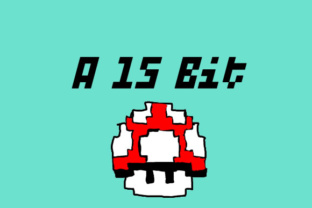
If you have ever admired the blocky, charming text in classic video games or retro-inspired digital art, you have likely encountered pixel fonts. Among these, A 15 Bit stands out as a thoughtful creation by font designer Jeff Bensch. This typeface captures the essence of 15-bit color graphics—a term that refers to a specific depth of color used in older computer systems and game consoles. In practice, A 15 Bit delivers a crisp, bitmap-style aesthetic that feels both nostalgic and refreshingly clear in modern contexts. Whether you are designing a game interface, crafting a vintage-looking poster, or simply exploring typography for fun, this font offers a distinct personality that is hard to ignore.
Jeff Bensch is known for designing fonts that evoke early digital eras, and A 15 Bit is no exception. It is not just a replica of old technology but a refined tool for contemporary projects. The font works well at small sizes, maintaining legibility while preserving its pixelated charm. For anyone curious about retro design or seeking a reliable pixel typeface, A 15 Bit provides a solid starting point that balances authenticity with usability.
What A 15 Bit Brings to Your Projects
At its core, A 15 Bit is a bitmap font that thrives in environments where pixel precision matters. Unlike vector fonts that smooth curves, this typeface sticks to a grid-based structure, giving each character a deliberate, handcrafted feel. The name hints at the 15-bit color palette commonly seen in 1990s PC games and early Macintosh graphics, which used 32,768 possible colors. While the font itself is black-and-white or single-color, its design philosophy draws from that era’s focus on efficient, vibrant imagery.
The main appeal of A 15 Bit lies in its versatility for pixel art and low-resolution displays. If you are a hobbyist creating assets for an indie game, a blogger wanting a distinctive header style, or a small business owner designing a logo with a retro vibe, this font can anchor your visual identity. It solves the problem of finding a pixel font that is both authentic to the period and readable on modern screens. Many free pixel fonts look messy at larger sizes, but A 15 Bit’s careful construction ensures that letters remain uniform and clear, even when scaled up slightly.
Another practical benefit is its adherence to a consistent grid. For educators teaching digital art or design principles, A 15 Bit serves as a clear example of how constraints can drive creativity. Students can see how each character occupies a specific number of pixels, making it easy to analyze spacing and weight. This transparency is rare in more complex typefaces and adds educational value without extra effort.
Realistic Use Cases for Beginners and Professionals
One of the most common uses for A 15 Bit is in game development, especially for 2D titles that emulate the late 80s and early 90s aesthetic. Imagine building a simple platformer or a puzzle game—using this font for menus, scoreboards, and dialogue boxes instantly transports players to that era. You avoid the disjointed look of mixing different pixel fonts by relying on a single, cohesive typeface. Similarly, if you are a creative freelancer making promotional art for a retro-themed product, A 15 Bit can appear on flyers, social media graphics, or even merchandise mockups.
Beyond games, the font shines in web design. A personal blog about vintage computing or a portfolio for a pixel artist can use A 15 Bit for headings or short text blocks. It grabs attention without overwhelming the page because its simplicity works well against solid backgrounds. Marketers might also find it useful for landing pages targeting nostalgic audiences—for example, selling apparel with retro patterns or digital products like stickers and icons. The font’s clear spacing means you can pair it with more traditional typefaces for body text, creating a balanced hierarchy.
Educators and freelancers have another angle: A 15 Bit can be part of tutorials or courses on digital design. If you are a teacher explaining bitmap fonts versus vector fonts, having a live example like this makes abstract concepts tangible. For small business owners, using this font in a logo or signage for a retro arcade, cafe, or tech repair shop adds a layer of authenticity. It tells customers you appreciate the history of digital culture without needing to explain it.
Important Things to Consider Before Using A 15 Bit
While A 15 Bit is a charming font, it is not ideal for every situation. First, consider its readability for long-form text. Because it is a pixel font, extended paragraphs can become tiring to read, especially on high-resolution screens. Reserve it for headlines, short notes, or elements where you want impact rather than prolonged reading. For body text, stick to a standard serif or sans-serif font to avoid eye strain.
Second, scaling requires care. A 15 Bit looks best at integer sizes—such as 12, 16, or 24 pixels—where each pixel aligns perfectly with the display grid. Scaling to non-integer sizes or using anti-aliasing can blur the crisp edges and defeat its purpose. If you are using it in a design tool, enable pixel-snapping or choose exact pixel dimensions. This rule is crucial for game developers and web designers who want to maintain the retro feel.
Third, licensing and format matter. Check the font’s license before using it in commercial projects. Jeff Bensch’s fonts often come under open-source or permissive licenses, but it is always wise to confirm. Also, ensure the font file is compatible with your software—most pixel fonts work well in standard graphic editors like Photoshop, GIMP, or even CSS for websites. Some tools might require a bitmap font plugin if they do not handle pixel typefaces natively.
Finally, think about audience perception. While many people appreciate pixel art, others may see it as outdated or gimmicky. For brands targeting a modern professional crowd, A 15 Bit might contradict the desired image. However, for creative, tech, or entertainment fields, it can be a perfect match. Test your design with a small group before committing to ensure the style resonates with your intended audience.
Getting Started with A 15 Bit
If you are ready to experiment, downloading and installing A 15 Bit is straightforward. Most font repositories offer it in TrueType or OpenType format. Once installed, open your preferred design application and select it. Start with a simple project, like a logo mockup or a game interface mock-up, to see how it behaves. Pay attention to spacing around characters—pixel fonts often have less kerning control, so you may need to adjust manually for certain letter combinations.
Try pairing A 15 Bit with a complementary pixel art scene or a modern gradient background. The contrast can create striking visuals. For beginners, there are online tutorials dedicated to pixel fonts that show how to integrate them with retro color palettes. Join communities of retro designers to share ideas and get feedback. Jeff Bensch’s other fonts, like smaller bitmap series, can also offer variety if you want to build a cohesive retro toolkit.
Ultimately, A 15 Bit is more than a throwback—it is a practical asset for anyone who values clear, intentional design. Its straightforward nature makes it accessible for beginners while providing enough character for professionals to use in specialized contexts. By understanding its strengths and limitations, you can weave this font into your work in ways that feel authentic and effective.