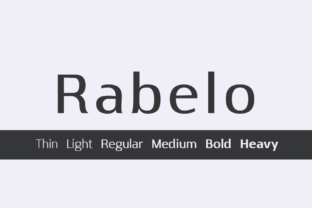
Rabelo Light: A Practical Review of the Elegant Font Family's Lighter Weight
Choosing the right typeface often means balancing visual appeal with readability, personality with professionalism. The Rabelo font family has drawn attention for its refined design, and Rabelo Light offers a specific variation worth examining closely. Whether you are designing a brand identity, laying out a publication, or refining a digital presence, understanding what this weight delivers helps you decide if it belongs in your toolkit.
What Rabelo Light Is and Why It Matters
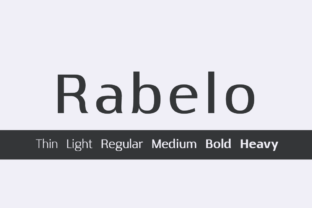
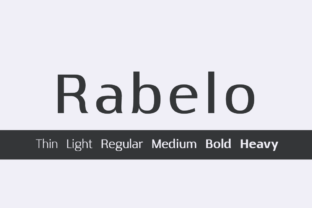
Rabelo Light belongs to the Rabelo font family, a typeface known for its elegant proportions and considered design. The family draws inspiration from classic forms while maintaining a contemporary feel. Rabelo Light sits as the lighter end of the family, offering a thinner stroke weight that brings a distinct visual character compared to its Regular or bolder counterparts.
What makes Rabelo Light worth discussing is not simply that it exists as a lighter version. It is the careful balance between delicacy and legibility. Many light typefaces sacrifice readability at smaller sizes or lose impact on screen displays. Rabelo Light avoids these common pitfalls by retaining clear letterforms and open spacing, making it functional beyond purely decorative use.
The Regular weight of the Rabelo family is available for free, which gives you a low-risk way to test the family's core design. But Rabelo Light offers something different: a softer, more refined presence that works well in specific contexts where a heavy stroke would feel overpowering.
Stroke Weight and Contrast
The most noticeable feature of Rabelo Light is its reduced stroke weight. The thin lines create a sense of airiness and sophistication. The contrast between thick and thin strokes remains balanced, avoiding the extreme disparity found in some display faces. This restraint helps Rabelo Light appear consistent across different characters and sizes.
Letterform Proportions
The proportions follow a relatively generous x-height, which aids readability even at smaller settings. The terminals are clean, and the apertures remain open enough to prevent characters from closing up at smaller point sizes. This is a practical advantage when you need a light typeface for body text or extended reading passages.
Spacing and Kerning
Rabelo Light benefits from thoughtful spacing. The letterfit feels natural without being too tight or too loose. The kerning pairs handle common glyph combinations well, which reduces the need for manual adjustment in most layout work. This is a meaningful time-saver for professionals working across multiple projects.
Editorial and Print Applications
In print, Rabelo Light performs well for titles, subheadings, and pull quotes where you want a lighter visual touch. It pairs naturally with its Regular counterpart, allowing you to create hierarchy without switching to a different typeface family entirely. For magazines, brochures, or book layouts, the lighter weight can bring a modern, refined tone to sections that need breathing room.
One area where Rabelo Light excels is in captions, image credits, and smaller annotations. The light stroke sits comfortably alongside images without competing for attention. It provides the necessary information without drawing the eye away from the visual content.
Digital Interfaces and Web Use
On screen, Rabelo Light requires consideration of size and background contrast. At larger headings, the lighter weight can create an elegant, minimalist aesthetic that aligns well with modern interface design. For body text, you will want to test at your intended sizes. On high-resolution displays, the typeface remains crisp and readable. On lower-resolution screens, the lighter stroke may appear thinner than intended, so testing across devices is advisable.
For branding and hero sections, Rabelo Light can set a tone of understated quality. It works well for luxury brands, creative agencies, editorial platforms, and any context where subtlety matters more than loudness.
Branding and Identity Work
Brand identities that rely on typography to convey elegance benefit from Rabelo Light. It pairs naturally with both serif and sans-serif families, giving you flexibility in building a visual system. The light weight is particularly useful for secondary messaging, taglines, and supporting text that should not overpower the primary brand mark.
If your brand voice is calm, confident, and refined, Rabelo Light reinforces that tone without trying too hard. It avoids the coldness that some light fonts can project. Instead, it feels deliberate and considered.
Who Benefits Most from Rabelo Light
Understanding who gains the most from Rabelo Light helps you decide if it fits your workflow. Based on its characteristics, several groups will find it especially useful:
- Graphic designers and art directors working on editorial layouts, branding projects, or packaging that calls for a lighter, more elegant typographic voice.
- Web designers and UI/UX professionals who need a refined typeface for headings, navigation labels, or interface elements where a heavy weight feels too dominant.
- Content creators and publishers producing blogs, newsletters, or digital magazines where readability and visual hierarchy matter across devices.
- Small business owners and entrepreneurs building a brand identity that communicates quality and attention to detail without expensive custom typeface licensing.
- Freelancers and independent professionals who want a versatile font family with a free Regular weight to start, then expand to Light and other weights as projects demand.
Realistic Examples of Use
Consider a boutique hotel website. The hero heading uses Rabelo Light at a large size, setting an immediate tone of understated luxury. The body text uses the Regular weight for readability, while room descriptions and amenity lists use Light for a consistent but lighter feel. The pairing creates a clear hierarchy without visual clutter.
Or take a photography portfolio. The photographer's name and section titles appear in Rabelo Light, allowing the images to remain the focal point. Captions and metadata use the same weight at a smaller size, keeping the layout cohesive. The result is a clean, professional presentation where the typography supports rather than competes with the visual work.
For a print magazine feature, Rabelo Light can handle the introductory pull quote, the byline, and the opening drop cap. The lighter weight adds visual interest at the page level while the Regular weight carries the main article text. Readers benefit from a clear reading path that feels designed, not chaotic.
Quality, Usability, and Consistency
The overall quality of Rabelo Light reflects the care taken in the full family's design. Characters maintain consistent stroke weight across uppercase, lowercase, and numeral forms. The glyph set covers standard Latin characters plus common punctuation and symbols, which covers most professional needs.
Usability is strong for a light weight. The typeface includes OpenType features such as ligatures and alternate characters, giving you options for finer typographic control. File formats typically include OTF and TTF, which work across major design and development tools.
Consistency across weights is one of the family's practical strengths. Rabelo Light shares the same underlying structure as Regular, Bold, and other weights. This means you can switch between weights within the same project without worrying about mismatched proportions or incompatible letter shapes. The family holds together as a unified system.
Possible Limitations and Considerations
No typeface is perfect for every situation, and Rabelo Light has limitations worth noting honestly:
- Readability at very small sizes: Like most light weights, Rabelo Light becomes harder to read below 10–12 points on screen. For body text in digital formats, consider using the Regular weight instead.
- Contrast requirements: Low-contrast backgrounds can wash out the thin strokes. Dark text on light backgrounds remains the safest choice, but you should test on your specific color palette.
- Not suited for dense text blocks: Extended paragraphs in Rabelo Light can feel visually light to the point of strain. Reserve it for shorter passages, headings, or accent text.
- Limited availability of the full family: While the Regular weight is free, you will need to purchase the other weights including Light. Factor this into your budget if you need the full range for a project.
These limitations do not diminish the typeface's value. They simply define where it works best and where you should choose a different tool. Knowing these boundaries makes you a more effective designer and decision-maker.
Long-Term Value and Flexibility
Investing time in learning and using Rabelo Light pays off over multiple projects. Because it belongs to a larger family, you can start with the free Regular weight and expand as your needs grow. The Light weight adds a specific capability that complements the rest of the family without overlapping.
If you work across different media such as print, web, and social graphics, having a consistent typeface family reduces the mental overhead of switching between unrelated fonts. Rabelo Light fits into this workflow smoothly. It gives you one more option within a system you already understand.
The typeface also holds up well over time. Its design avoids trendy gimmicks that date quickly. The elegant, restrained style will feel appropriate for years to come, making it a solid choice for brands and projects that need longevity.
Final Thoughts on Rabelo Light
Rabelo Light is a well-crafted typeface weight that serves a clear purpose: providing an elegant, readable, and consistent lighter option within a cohesive family. It works best in situations where a lighter touch matters, such as headings, captions, pull quotes, and secondary text in both print and digital formats. The Regular weight gives you a free entry point to test the family, and the Light weight extends your typographic options without requiring a complete redesign of your approach.
If your work demands a typeface that balances refinement with usefulness, Rabelo Light deserves a place in your consideration. It is not a universal solution, but it is a focused and reliable tool for the contexts where a lighter voice is exactly what the project needs.