Kap: The Handwritten Font That Elevates Any Project
Some fonts feel like they belong everywhere, yet stand out in any setting. Kap is exactly that kind of typeface. An elegant handwritten font, Kap brings a natural, human touch to digital and print work. Whether you are designing a poster for a local event, crafting a logo for your side business, or simply adding personality to a blog header, Kap offers something rare: it feels personal without demanding hours of customization. Its smooth strokes, balanced proportions, and understated charm make it versatile enough for professionals and approachable enough for beginners. But what makes Kap truly useful is how different people can put it to work in completely different ways. Understanding those differences can help you decide if this font belongs in your toolkit.
What Kap Offers Beyond a Pretty Letterform
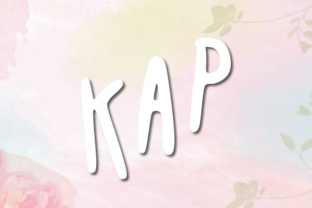
At its core, Kap is a handwritten font that prioritizes readability while preserving a handcrafted feel. Unlike some script fonts that sacrifice legibility for flair, Kap maintains clear distinctions between characters. This means you can use it for body text at modest sizes, not just for decorative headlines. The font includes uppercase and lowercase letters, numerals, and basic punctuation, so it works for full sentences and short phrases alike. The weight is consistent, giving the text a smooth visual flow that feels both deliberate and effortless.
For creators, this combination of elegance and utility is rare. A font that looks beautiful on a greeting card may look cluttered on a product label. Kap sidesteps that problem by staying clean without becoming sterile. It carries a slight irregularity that mimics natural handwriting, but the overall impression is polished. This balance is what allows Kap to serve so many different roles across different mediums.
Why Beginners and Hobbyists Find Kap Easy to Love
If you are just starting out with design or lettering, choosing a font can feel overwhelming. Thousands of options exist, and many require careful pairing, kerning adjustments, or specific contexts. Kap removes much of that guesswork. Its handwritten style instantly adds warmth to any project, so you do not need advanced skills to make something look good. A beginner creating a thank-you card or a simple social media graphic can install Kap and see immediate improvement.
Hobbyists who enjoy crafting—like making scrapbooks, personalized gifts, or custom mugs—appreciate how Kap reads as authentic rather than generic. Because the font mimics human handwriting, it makes DIY projects feel more personal. You can use it to write a quote on a bag, label a jar of homemade jam, or add a title to a photo album. The font does not require expensive software either. Most operating systems and common design tools accept it without trouble, so you can start using Kap minutes after downloading it.
For someone learning typography, Kap also provides a solid example of how a well-designed handwritten font balances personality with function. You can study its letterforms and understand why certain characters connect smoothly while others remain separate. This kind of practical learning happens naturally when you use the font in real projects.
Practical Example for Beginners
Imagine you want to make a birthday invitation for a friend. You open a free design tool, type the details, and pick Kap as the font. The result looks like you spent time hand-lettering each line, even though you typed it in seconds. Your friend cannot tell you did not draw it yourself, and that illusion of effort is exactly the effect most beginners want.
How Creatives and Professionals Push Kap Further
Experienced designers, illustrators, and branding specialists often hunt for fonts that solve specific problems without limiting creativity. Kap appeals to them because it offers a consistent yet organic base. For a book cover, Kap can provide the title with enough character to draw the eye, while a clean sans-serif companion handles the author name. The handwritten element introduces a human narrative before anyone reads a single word.
For logos, Kap works well for businesses that want to convey approachability, craft, or individuality. A bakery, a florist, a yoga studio, or a freelance photographer might choose Kap to signal that their service is personal and attentive. Because the font avoids extreme flourishes, it scales down for a business card or up for a storefront sign without losing readability. Professionals value that kind of flexibility because it saves time reformatting across different media.
Posters and newspapers also benefit from Kap’s clarity. In poster design, a handwritten headline can contrast beautifully with blocky subheadings. For newspaper headlines—especially in community papers, event bulletins, or niche publications—Kap adds a contemporary yet familiar feel. It does not scream for attention; it invites readers in. That subtle difference matters when you want content to feel accessible rather than aggressive.
Practical Example for Professionals
A freelance designer working on a branding package for a small clothing boutique selects Kap for the logo. She pairs it with a geometric sans-serif for receipts and labels. The client loves the logo because it looks bespoke. The designer meets her deadline without spending extra hours customizing letterforms, because Kap already provides the right kind of imperfection.
Business Owners and Entrepreneurs: Commercial Value and Practicality
Small business owners often need to produce marketing materials quickly and on a budget. Licensing a font like Kap can be a cost-effective investment when it replaces the need for hiring a hand-lettering artist for every project. Kap can appear on product packaging, promotional flyers, website headers, and email newsletters. Because the font looks handmade, it helps smaller brands compete with larger ones that rely on more generic design.
Reliability matters here. A font that renders differently on different devices causes headaches for business owners who print labels or send digital proof. Kap maintains its appearance across platforms, so what you see in your design tool is what your customer sees. This consistency reduces revisions and speeds up production.
For entrepreneurs launching a new product, Kap helps with branding from day one. A coffee roaster can use Kap on bag labels to suggest artisanal quality. A stationery brand can feature Kap on card designs. A wedding planner can use Kap for invitations and signage, ensuring all elements feel cohesive. The font’s handwritten quality aligns perfectly with industries that rely on personal touch.
Practical Example for Business Owners
A maker of handmade soaps wants to update her packaging. She uses Kap for the product name and scent descriptions on a kraft paper label. The font’s organic texture matches the natural ingredients, and customers perceive the brand as more authentic. She prints the labels at home, saving both time and money compared to ordering custom packaging.
Educators and Publishers: Creativity Meets Function
Educators who teach design, writing, or art can use Kap as a teaching tool. Showing students how a single typeface can shift tone depending on context—from friendly to formal, from playful to elegant—demonstrates core typography principles. Kap’s design is nuanced enough to spark discussion about letterform structure, but simple enough for beginners to analyze. In a classroom setting, having one versatile font simplifies project guidelines while still allowing creative expression.
For publishers, especially those producing zines, poetry collections, or small-run books, Kap offers a cost-effective way to add visual interest. Handwritten fonts can make digital publication feel closer to print, and print versions feel more intimate. Kap does not overwhelm the page; it supports the content. Self-publishers and independent presses often need to stretch limited budgets, and a single font that handles titles, subtitles, and short quotes reduces expenses on font libraries.
Practical Example for Educators
A high school art teacher assigns a poster project for a class play. She suggests Kap as one option for the title. Students experiment with size, alignment, and color. Some choose Kap for a warm, inviting look. Others realize it also works for smaller credit lines. The teacher uses the exercise to discuss how font choice affects audience perception.
Is Kap the Right Font for Your Specific Needs?
With so many handwritten fonts on the market, choosing the right one comes down to your priorities. Start by considering the kind of projects you do most often. If you frequently design items that need a human touch—invitations, greeting cards, personal branding—Kap is a strong candidate. If you work primarily in ultra-formal or highly technical fields, a handwritten font may not suit daily use, but it could still serve occasional creative projects.
Consider your skill level. Beginners benefit from Kap because it looks good with minimal effort. Experienced designers appreciate Kap because it adapts to sophisticated compositions without fighting other elements. Business owners value its commercial applicability and low maintenance. There is no single right use for Kap, which is exactly why it appeals to such a wide audience.
Think about long-term usefulness. A font you buy today should still fit your style years from now. Kap’s design avoids trends—it is not too modern, not too retro. This timeless quality means you can rely on it for future projects without worrying it will look dated. For freelancers and small businesses, that durability translates to better value over time.
How to Test Kap for Your Workflow
If you are unsure, the simplest test is to download Kap (or try a demo version) and use it in your most common project type. Type a headline, a sentence, and a short paragraph. See how it reads at different sizes. Pair it with a font you already own. Check how it handles special characters or punctuation you use regularly. The font’s performance in your own environment will tell you more than any review.
Making Kap Work Across Different Mediums
Kap is not limited to one type of project. Here is how it adapts to common use cases:
- Headlines and Titles: Kap grabs attention without shouting. Use it for blog headers, article titles, or poster headlines.
- Logos and Branding: Its handwritten nature adds personality. Pair with a clean font for a balanced identity.
- Product Packaging: Works on mugs, bags, labels, and boxes. The font feels handmade, which suits artisanal goods.
- Invitations and Announcements: Creates a warm, personal feel for weddings, parties, or thank-you notes.
- Print Media: Suitable for book covers, zines, and newspaper headlines where readability is key.
- Digital Content: Readable on screens for websites, social media graphics, and email newsletters.
The key is to use Kap intentionally. Because it carries a distinct personality, it works best when you let it lead the design. Avoid pairing it with other handwritten fonts. Instead, let one handwritten element stand out while supporting elements stay neutral.
Final Thoughts on Kap Before You Decide
Handwritten fonts often fall into two camps: decorative to the point of being unreadable, or clean to the point of being boring. Kap sits in a sweet spot between those extremes. It offers the charm of handcrafted lettering without sacrificing clarity. Whether you are a complete beginner looking for a font that makes your first project look polished, a professional seeking a reliable tool for client work, or a business owner wanting to strengthen your brand image, Kap adapts to your context.
The best way to know if Kap works for you is to use it. Start with one small project. See how it feels when you scroll through your text. Notice if it draws the right kind of attention. If it does, you have found a font that will serve you across many projects to come.