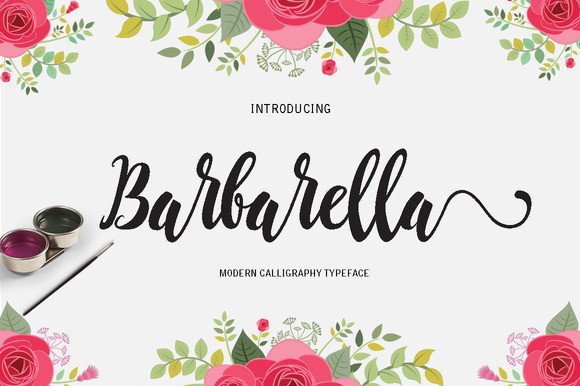
Barbarella: An Inky Script Font That Brings Handwritten Charm to Modern Design
There is a quiet shift happening across the creative landscape. As digital tools become more uniform and predictable, designers, entrepreneurs, and content creators are searching for ways to infuse their work with personality and warmth. The answer often lies in the details, and few details carry as much emotional weight as the choice of typeface. Barbarella enters this moment as a gorgeous inky script font that feels both nostalgic and refreshingly alive. It offers more than just legibility—it brings a handwritten, organic quality that resonates with audiences tired of sterile, over-polished visuals.
Whether you are designing a wedding invitation, a social media post for a floral boutique, or a romantic brand identity, Barbarella delivers a sense of intimacy that standard fonts cannot replicate. Its ink-like strokes and flowing letterforms mimic the natural variation of handwriting, making every word feel personal. For professionals and hobbyists alike, this is a tool that bridges the gap between digital precision and analogue emotion.
Why Handwritten Script Fonts Are Gaining Traction
Over the past several years, the design world has moved away from rigid, geometric typefaces in favor of more expressive options. This is not a fleeting preference but a response to changing user expectations. People are bombarded with content daily. To break through the noise, creators must offer something that feels human. Script fonts like Barbarella tap into that need by introducing imperfection, rhythm, and flow.
Handwritten aesthetics are especially effective in industries rooted in emotion—weddings, lifestyle, wellness, and hospitality. A script font does not just convey information; it sets a mood. Barbarella, with its inky texture and romantic curves, evokes candlelit dinners, pressed flowers, and handwritten love letters. It aligns naturally with the growing appetite for authentic, analog-inspired design in a digital-first world.
Additionally, the rise of small-batch and artisanal brands has fueled demand for typefaces that look crafted rather than mass-produced. A font that reads well while retaining a hand-drawn feel becomes a strategic asset. Barbarella fits this role effortlessly, offering both readability and character in equal measure.
Where Barbarella Shines: Floral and Romantic Projects
Barbarella is not a one-size-fits-all typeface, and that is precisely its strength. It is purpose-built for creative projects that center on beauty, tenderness, and natural elegance. Floral design, in particular, pairs beautifully with its ink-brush quality. Imagine a rose-themed save-the-date card set in Barbarella, where each letter curves like a petal unfolding. Or consider a botanical product label where the font echoes the organic lines of leaf and stem.
Romantic creative projects benefit from Barbarella’s inherent softness. From anniversary announcements to love-themed editorial spreads, the font adds a layer of intimacy that clean sans-serifs cannot match. It invites the reader to slow down and savor each word, much like reading a handwritten note.
Practical applications are plentiful:
- Wedding invitations and stationery – Barbarella lends itself to elegant suite designs, from envelopes to ceremony programs.
- Social media graphics – Quote posts, mood boards, and promotional content for florists or event planners gain a personal touch.
- Branding for small businesses – Bakeries, flower shops, and boutique clothing lines can use Barbarella to communicate warmth and care.
- Blog headers and website accents – A single headline set in Barbarella can anchor a page with emotional weight.
- Packaging and product labels – Hand-lettered-style fonts on jars, boxes, or tags suggest craftsmanship and attention to detail.
How Script Fonts Have Evolved and Why That Matters Now
Script fonts have existed for centuries, but their digital incarnation has undergone significant refinement. Early digital scripts often felt stiff or overly uniform, lacking the natural variation of real handwriting. Barbarella represents a newer generation of type design that embraces imperfection. Its inky edges, slight irregularities, and fluid connections mimic the behavior of a fountain pen on textured paper. This evolution matters because it allows designers to create work that feels tactile, even on a screen.
Users today are more visually literate than ever. They can distinguish between a generic script font and one with genuine personality. Barbarella rewards that discerning eye. It does not pretend to be perfect, and that honesty is part of its appeal. For educators, marketers, and freelancers who need to build trust quickly, a font that looks human can be a subtle but powerful signal of authenticity.
The trend toward warmer, more organic design is not a passing phase. It reflects a broader cultural desire for connection in an increasingly automated world. As artificial intelligence and template-based design become more common, the value of human touch grows. Barbarella, with its handmade soul, offers a way to stand apart without shouting.
Practical Implications for Creators and Professionals
Choosing a font is rarely a neutral decision. It shapes perception, guides emotion, and can even influence purchasing behavior. For professionals in marketing, branding, and content creation, selecting something like Barbarella requires thought about context and audience. It works beautifully for romantic and floral themes, but it may feel out of place in corporate reports or technical documentation. Knowing where and how to deploy it is key.
Freelancers and small business owners can use Barbarella to differentiate their visual identity without investing in custom lettering. A logo or watermark set in this font instantly conveys a handmade aesthetic. Bloggers covering lifestyle, wellness, or design topics can use it for pull quotes or featured headlines to draw the reader in. The font’s readability ensures that even longer phrases remain accessible, which is not always the case with ornate scripts.
For wedding planners and event designers, Barbarella is a reliable choice for cohesive stationery sets. It pairs well with soft color palettes, watercolor elements, and vintage-inspired illustrations. Because it carries a consistent ink effect, it unifies printed and digital materials with a cohesive visual thread.
One recommendation: use Barbarella sparingly for maximum impact. A headline, a name, or a short phrase set in this font will draw attention and set the tone. Avoid setting long bodies of text in script, as legibility can suffer at small sizes. Instead, pair it with a clean serif or sans-serif for body copy. This contrast highlights the font’s charm while maintaining readability.
Grounding the Hype in Realistic Use
It is easy to overromanticize a beautiful font, but effective design requires restraint. Barbarella is not a solution for every project, and it should not be treated as one. Its strengths lie in specific contexts: projects that require elegance, intimacy, and a touch of nostalgia. When used appropriately, it elevates the work without overpowering it.
Creators should also consider the technical side. When using Barbarella in digital formats, test its performance across screen sizes and resolutions. The inky details that make it so appealing at large sizes can become muddy on small displays. Similarly, when printing, choose paper stock that complements the font’s texture—uncoated or lightly textured paper will enhance the hand-drawn feel.
Another practical consideration is licensing. Ensure you have the appropriate permissions for commercial use if the project involves branding, product sales, or client work. Respecting font licensing is part of professional practice and supports the designers who create these tools.
Those looking to experiment can start with short copy. A single word in Barbarella—like a brand name in a logo or a chapter title in a publication—can anchor a layout and establish emotional resonance. From there, expand to short phrases or taglines. The goal is to let the font do its work without overwhelming the viewer.
Final Thoughts on Embracing Handwritten Elegance
In a design environment that often prioritizes speed and uniformity, choosing a font like Barbarella is a deliberate act of care. It signals that someone took the time to choose a typeface with personality, that the content matters enough to be presented beautifully. For professionals, entrepreneurs, and creatives, this kind of attention to detail builds credibility and connection with audiences.
The popularity of handwritten-style fonts is not a trend to jump on hastily. It reflects a genuine shift in what people value: authenticity, warmth, and the human hand. Barbarella captures these qualities with grace. Its inky strokes and romantic curves make it an excellent choice for floral and romance-centered projects, but its real value lies in how it makes the reader feel. When used thoughtfully, it turns words into something close to a keepsake.
As you plan your next creative project, consider what your typeface says before the content does. A font like Barbarella speaks of elegance, care, and a willingness to be slightly imperfect. In a world saturated with digital noise, that may be exactly the message worth sending.