Tycho: A Hand-Drawn Font for Creative Projects
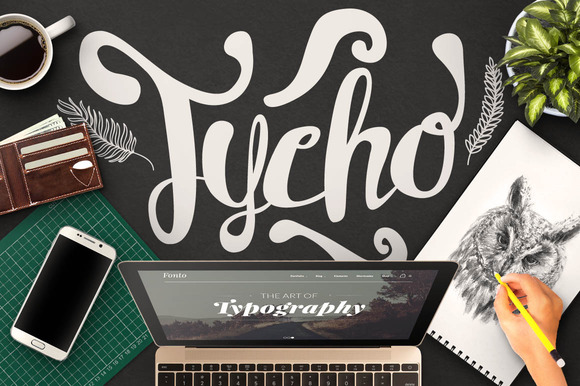
Choosing the right typeface often shapes how an audience receives your message. A generic font may convey information, but a carefully selected one can evoke feeling, establish trust, and reinforce your creative identity. Tycho, a smooth hand-drawn font created by Maulana Creative, offers a distinctive alternative for those who want their text to feel personal, approachable, and intentionally crafted. With four variations—Tycho Regular, Tycho Hairline, Tycho Light, and Tycho Ornaments—this typeface provides flexibility without sacrificing its handcrafted character.
What makes Tycho stand out is its balance between organic warmth and practical usability. Unlike many hand-drawn fonts that can feel too casual or chaotic for professional work, Tycho maintains a smooth, legible form while preserving the subtle imperfections that give hand-lettering its charm. This makes it suitable for a range of projects, from branding to social media graphics, without requiring extensive design expertise to implement effectively.
The Four Variations and Their Practical Roles
Having multiple weights and a dedicated ornaments set means you can build a cohesive visual system using a single typeface family. Each variation serves a distinct purpose, and understanding these differences helps you apply Tycho with intention.
Tycho Regular: The Workhorse for Clear Communication
Tycho Regular is the most versatile option in the family. It carries enough weight to remain readable at medium and large sizes, making it ideal for headlines, subheadings, and short blocks of text. When you need a friendly yet professional tone—such as on a homepage hero section or a product label—Regular delivers presence without overwhelming the layout. Its smooth strokes reduce visual noise, so readers focus on your message rather than decoding uneven letterforms.
For small business owners creating their own signage or promotional materials, Tycho Regular offers a reliable choice. It communicates warmth and approachability, which can help build rapport with customers before they even read the content. Bloggers and educators designing course materials may also find Regular useful for section titles that need to stand out while remaining consistent with a hand-drawn aesthetic.
Tycho Hairline and Tycho Light: Subtlety and Elegance
Where Regular commands attention, Tycho Hairline and Tycho Light provide finesse. These lighter weights are well suited for applications that require a delicate touch, such as wedding invitations, elegant packaging, or minimalist branding. Hairline, as the thinnest variation, works best at larger sizes where its fine strokes can be appreciated—think event titles, monograms, or decorative headers. Light sits between Hairline and Regular, offering a softer presence that remains readable at smaller sizes without feeling heavy.
Designers working on upscale projects may appreciate how these lighter variations add sophistication without appearing cold or corporate. For a freelance creator preparing a portfolio, using Tycho Light for captions or accent text can infuse the work with a handmade quality that feels intentional. Entrepreneurs launching a lifestyle brand might pair Light with Regular to create hierarchy on product pages, guiding the eye naturally from headline to description.
Tycho Ornaments: Finishing Touches That Elevate Design
The Tycho Ornaments variation expands the font’s utility beyond letterforms. It includes decorative elements such as flourishes, borders, and symbols that complement the hand-drawn style of the main typeface. Instead of sourcing separate graphics or illustrations, you can integrate ornaments directly into your text workflow, saving time and maintaining visual harmony.
Ornaments are particularly valuable for invitation designers, menu creators, and social media managers who need cohesive decorative accents. A simple swash or divider can transform a plain layout into something that feels thoughtfully composed. Small business owners designing their own flyers or certificates can use ornaments to add professional polish without hiring a designer. The key is restraint: using one or two ornaments strategically often yields better results than overloading a page with decoration.
How Tycho Supports Creativity and Saves Time
One of the most practical benefits of a well-made hand-drawn font family is reducing the need for custom illustration. When you have a typeface that already carries a handcrafted feel, you can achieve a bespoke look with less effort. Tycho allows creators to focus on message and structure rather than spending hours perfecting lettering by hand.
For bloggers and content creators who publish regularly, consistency is important. Using Tycho across headings, pull quotes, and decorative elements creates a recognizable visual identity that readers associate with your brand. Over time, this builds trust and makes your content easier to identify in a crowded feed. The font’s smooth lines also work well on screens, where overly textured hand-drawn fonts can appear messy or hard to read.
Marketers and entrepreneurs running campaigns may find Tycho useful for creating differentiated assets. A landing page that uses a hand-drawn font for its headline can feel more personal and less templated than one relying on standard system fonts. Combined with clean body text, Tycho adds character without sacrificing professionalism. This balance is particularly valuable in industries where customer connection matters, such as wellness, education, creative services, and local retail.
Realistic Use Cases Across Audiences
The versatility of Tycho’s four variations means it fits a wide range of scenarios, but certain groups may benefit more than others depending on their goals and constraints.
- Freelance designers and illustrators can use Tycho as a go-to option for client projects that require a hand-drawn element. Having Regular, Hairline, Light, and Ornaments in one family streamlines the design process and ensures consistency across materials.
- Small business owners managing their own branding often need typefaces that are both distinctive and easy to work with. Tycho reduces the learning curve while providing multiple weights that allow for hierarchy and emphasis without additional software or skills.
- Educators and course creators designing worksheets, presentations, or digital resources may find Tycho’s readable forms helpful for engaging learners. The hand-drawn quality can make educational materials feel less formal and more inviting.
- Wedding and event planners producing invitations, programs, and signage can rely on Tycho Hairline and Ornaments to create elegant, cohesive suites that reflect a personal touch.
- Social media managers and content creators seeking a consistent aesthetic across posts and stories can build a recognizable style using Tycho for quotes, announcements, and highlights.
Each of these use cases shares a common thread: the need for a typeface that communicates personality while remaining functional. Tycho fills that gap by offering something between a sterile sans-serif and an overly whimsical script.
Strengthening Communication Through Typography
Typography is a form of nonverbal communication. The shapes, spacing, and weight of letters convey tone before a single word is read. Tycho’s smooth hand-drawn style signals warmth, creativity, and attention to detail. For professionals who want their audience to feel a personal connection—whether that is trust, inspiration, or comfort—this typeface can reinforce that intention.
Consider a therapist or wellness coach creating handouts or website content. A font like Tycho can make the material feel more human and less clinical, potentially putting readers at ease. Similarly, a freelance writer’s portfolio page using Tycho for headings may feel more approachable than one using a standard serif or sans-serif. These subtle cues accumulate over time, shaping how audiences perceive your work.
That said, hand-drawn fonts are not suitable for every context. In long-form body text or dense informational documents, a more neutral typeface often performs better for readability. Tycho shines in display roles—headlines, short paragraphs, decorative elements—where its character can be appreciated without straining the reader. Recognizing this limitation helps you apply the font where it adds the most value.
Making Thoughtful Design Decisions
No single typeface is the perfect solution for every project. When considering Tycho, think about the environment where your text will appear. Large headings on a website or poster? Tycho Regular or Hairline can deliver impact. Subtle accent text on a product label? Tycho Light may be the right fit. Decorative borders for an invitation? The Ornaments set gives you options without additional assets.
For those new to using hand-drawn fonts, start with one variation and build out as you become comfortable. Tycho Regular is a safe entry point that offers immediate visual change without requiring dramatic layout adjustments. From there, experiment with Light for subheadings or Ornaments for dividers. Over time, you will develop a sense of how much hand-drawn character is right for your specific audience and medium.
It is also worth comparing Tycho with other hand-drawn options available. Some fonts in this style are highly textured or irregular, which can limit their use to specific artistic contexts. Tycho’s smoother execution makes it more adaptable for professional applications. If your work demands extreme roughness or deliberate imperfection, another font might serve you better. But if you want a hand-drawn look that remains clean and readable, Tycho offers a strong middle ground.
Who May Benefit Most from Tycho
While Tycho can serve many users, it is especially valuable for those who need to communicate creativity and approachability without a large design budget or extensive training. Hobbyists creating personal projects, freelancers building their brand, and small business owners managing their own marketing all stand to gain from a typeface that does much of the aesthetic work on its own.
Publishers and bloggers who produce visual content regularly may appreciate how Tycho adds a consistent handmade quality to their materials. Instead of relying on stock graphics or commissioned illustrations, a well-chosen font can become a signature element that readers recognize. This kind of visual consistency supports brand recognition and can make content feel more cohesive over time.
On the other hand, large organizations with strict corporate style guides may find hand-drawn fonts too informal for standard communications. In those cases, Tycho might still find a place in internal materials, event collateral, or campaign-specific graphics where a warmer tone is appropriate. Understanding where a font fits within your broader ecosystem is part of making informed design choices.
Tycho provides a practical tool for anyone looking to add a human touch to their work without sacrificing clarity or flexibility. Its four variations give you room to adjust weight and decoration as needed, while its smooth hand-drawn quality ensures that the final result feels intentional rather than accidental. By matching the font’s strengths to your specific goals, you can create materials that communicate more effectively and leave a lasting impression.